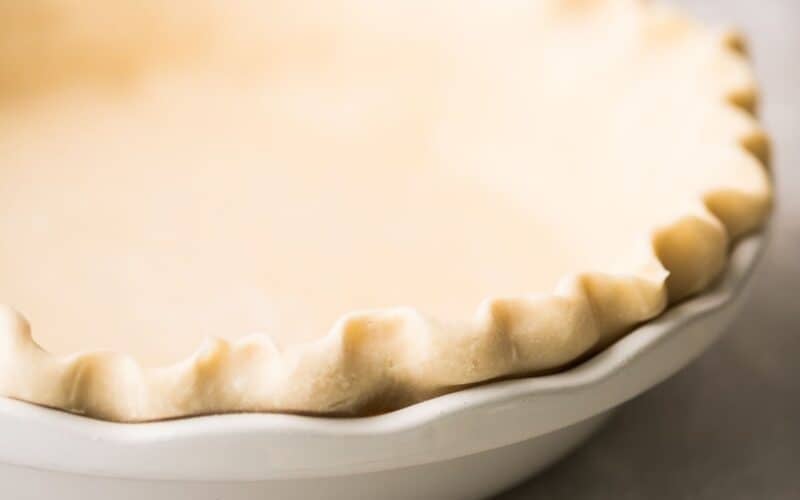
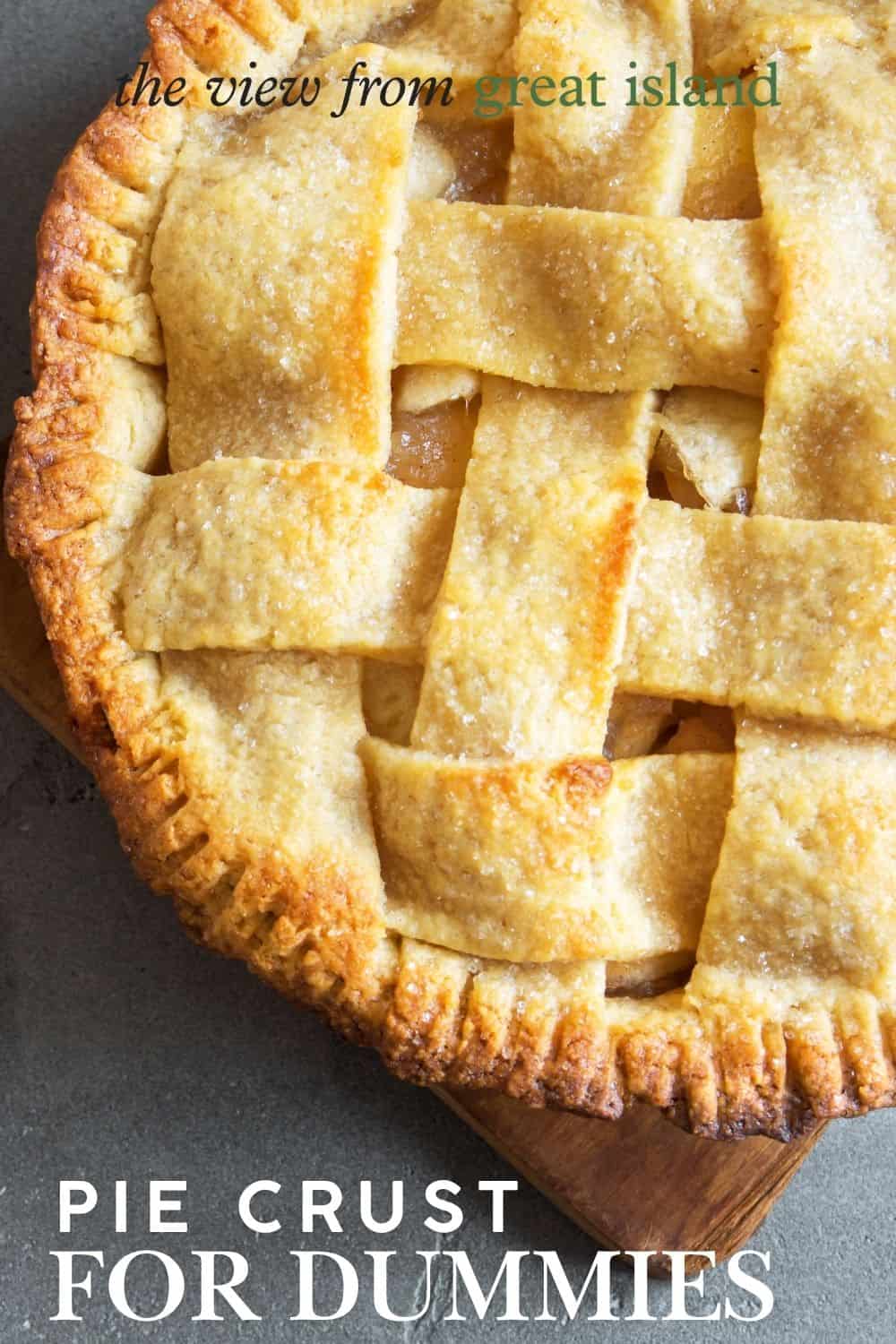
Don’t let pie crust scare you ~ this is my ultimate guide to every kind of crust, from classic double-crust pies to rustic galettes, crumb crusts, easy press-in crusts, and even good old frozen pastry.
Don't Lose This Recipe!
Pie crust is one of those things that can feel intimidating until you realize there’s no single right way to do it. Sometimes you want a classic flaky pastry crust, sometimes a rustic galette is exactly right, and sometimes a crumb crust or press-in crust is the smarter choice. I’ve got you (and your pie) covered for all occasions and all skill levels, so let’s roll!
Classic Flaky Pie Crust (easy food processor method)

This is the best and easiest pie crust recipe ever, I use this basic crust for one or two crust pies, but also for quiches and tarts. You can easily make a sweet or savory pie crust using this method, or get creative with flavorings or spices for extra personality. My recipe makes enough for 2 crusts– perfect for any double-crust recipes, but also perfect for freezing for later.
How it works
- The food processor makes easy work of combining the cold butter with the flour – you want the process to be quick so the butter doesn’t melt, and you retain some small pieces of butter scattered throughout the dough. This is what makes a pie crust nice and flaky.
- The pour spout on the lid of the food processor makes it very easy to add your ice-cold water to the dough as it is processing.
- TIP: “overworking” the dough makes for a tough crust. Use the “pulse” feature on your food processor to blend everything together just until the dough starts to come together, but don’t over-mix.
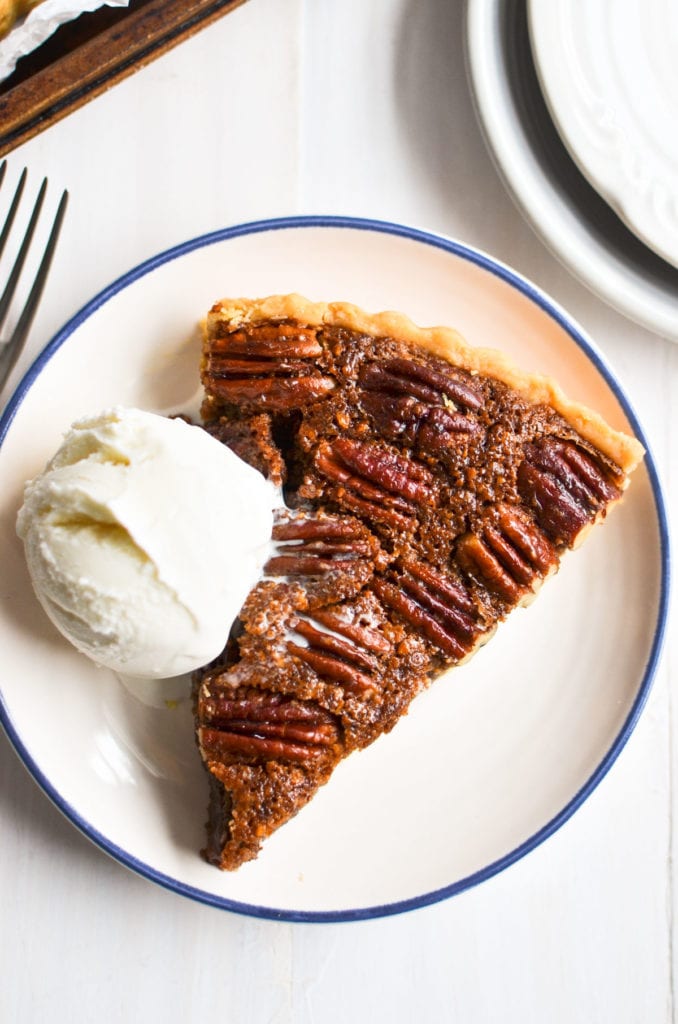
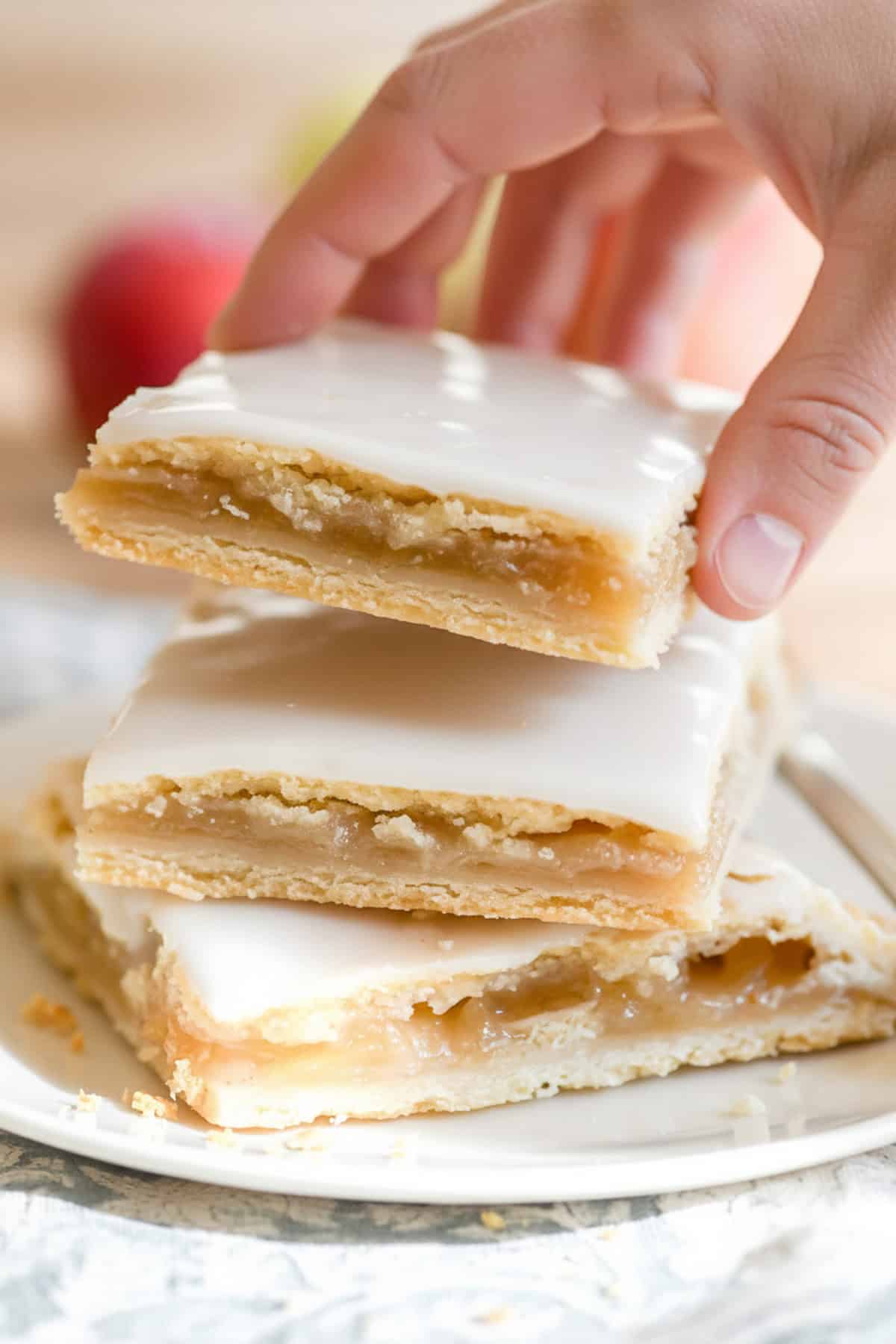
When to use a classic pie crust
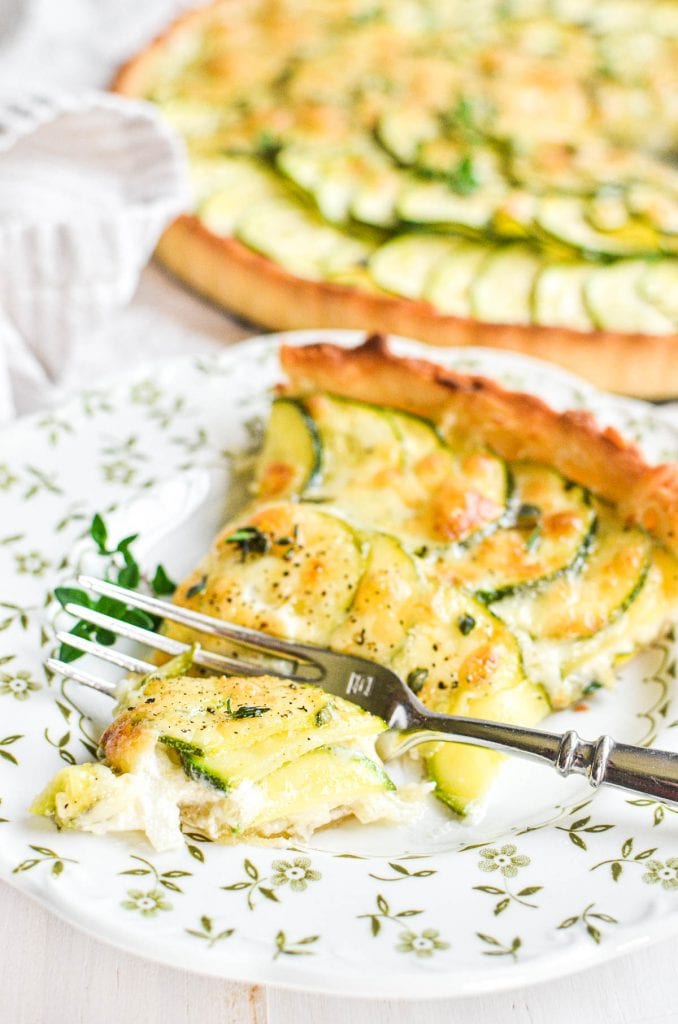
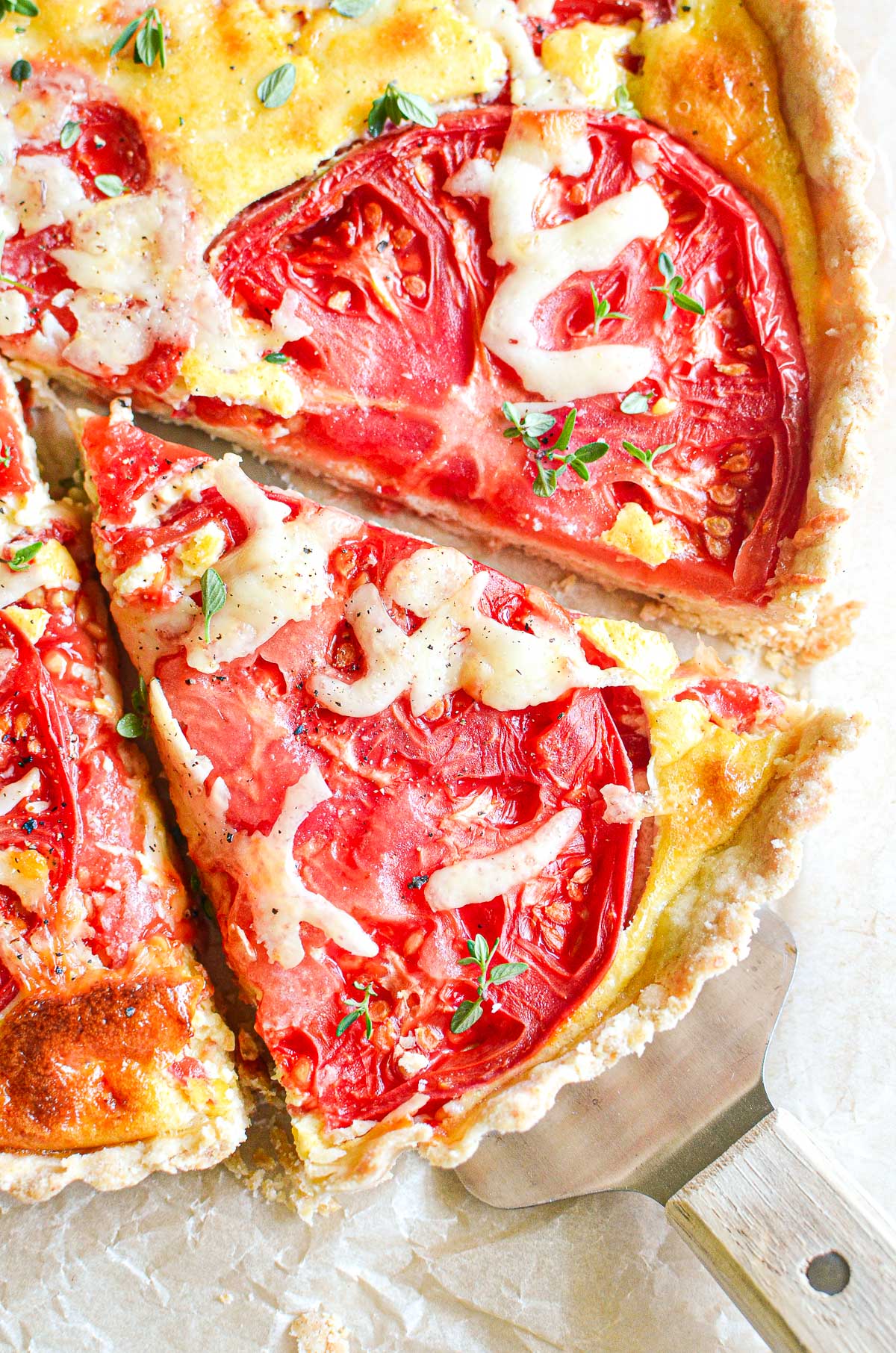
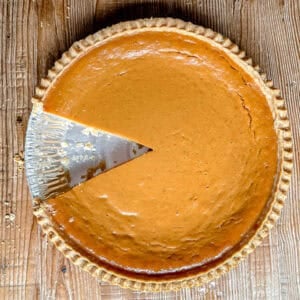
This is your classic choice for one or two crust pies and tarts ~ it’s the crust you’ll use for your pumpkin pie at Thanksgiving, as well as your favorite quiche. It works for both sweet and savory recipes.

Crumb crusts
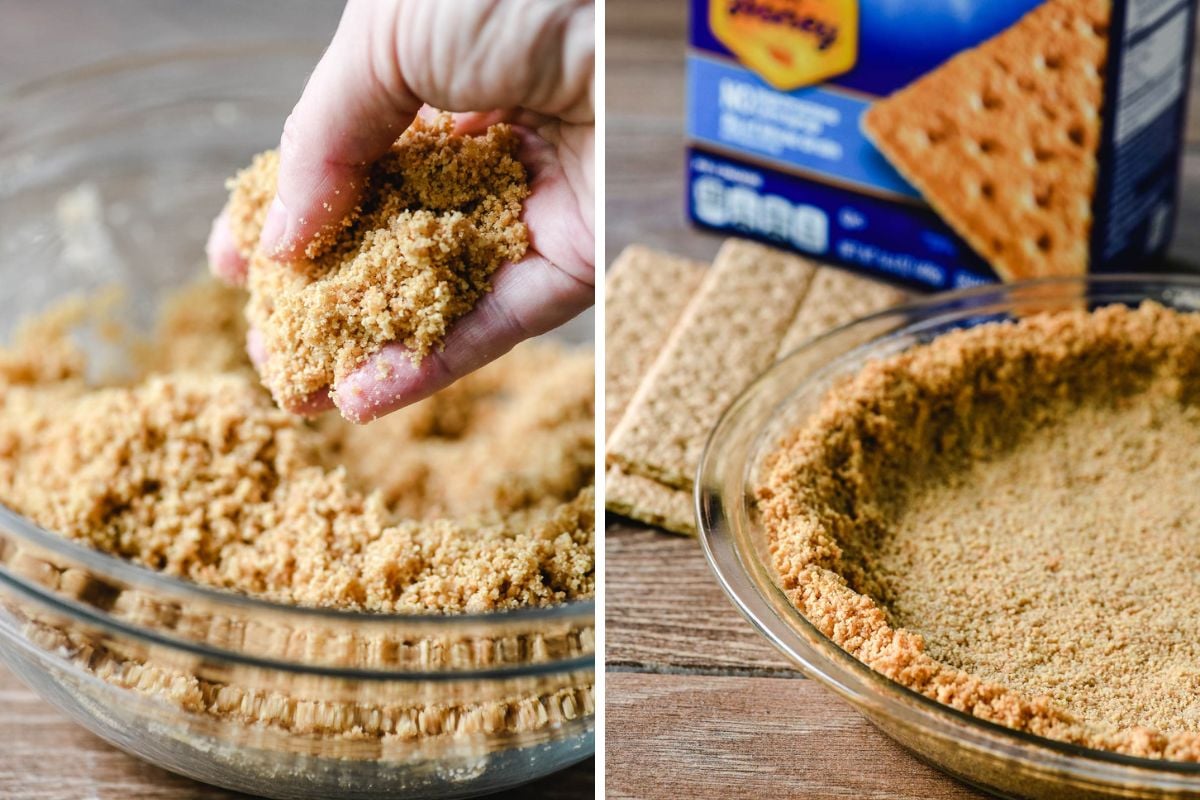
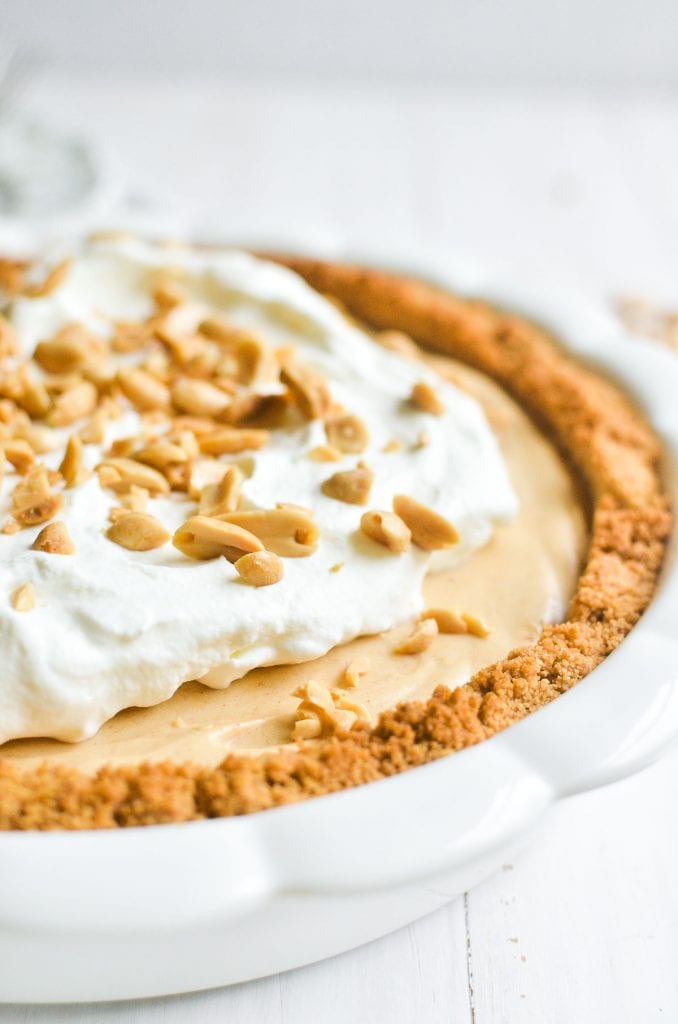
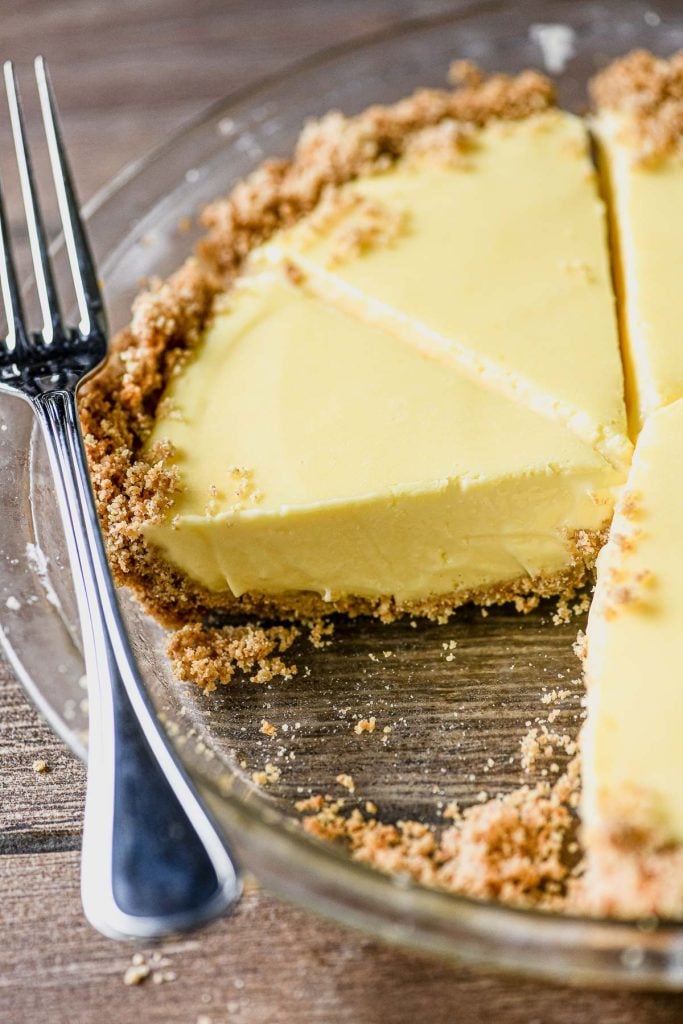
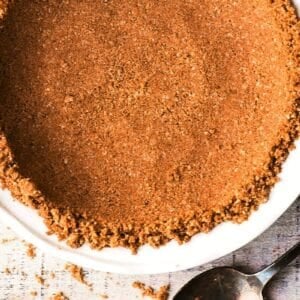
The basic formula for a crumb crust can be used with all sorts of cookies and crackers to make quick and easy pie crusts. The classic choice is plain graham crackers, but I’ve used gingersnaps, chocolate wafers, and even Oreos (with the filling.) Check out my How To Make A Gingersnap Pie Crust.
How it works
I use my food processor to pulverize the crackers or cookies, but you can load them into a baggie and use a rolling pin to crush them as well. I sometimes add crushed nuts for extra flavor. The crust comes together when you add melted butter and press it into your pie plate.
- Some recipes have you par bake the crust for a few minutes to set it.
- Other recipes require no baking at all, just fill and chill.

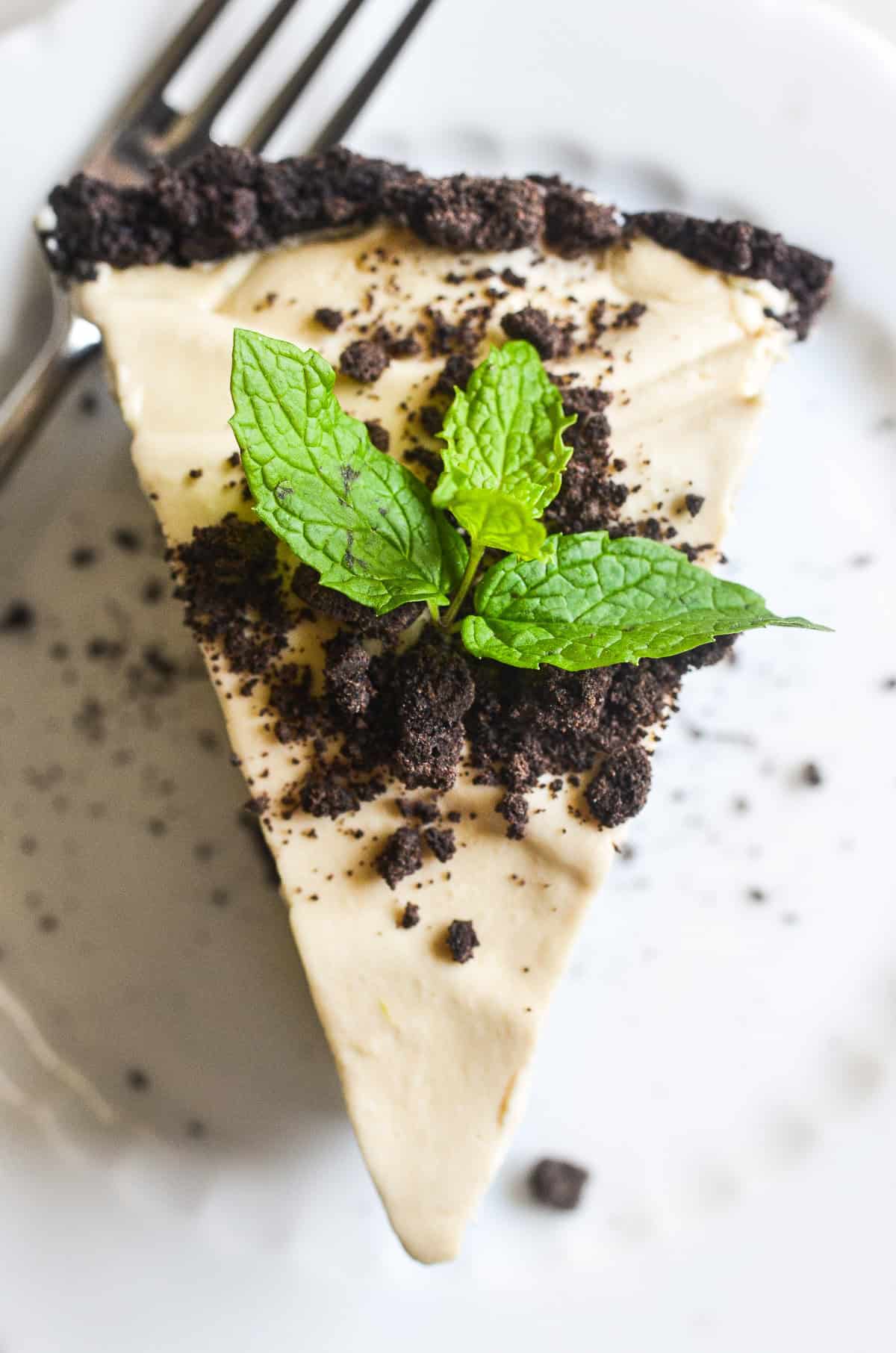
When to use a crumb crust
A crumb crust is great for all sorts of pies, but it’s especially great with pies and tarts that you plan to serve chilled or even frozen. It will also be sweeter than a traditional pie crust, since more of the cookies or crackers used to make it already contain sugar.
Press-In Pie Crust
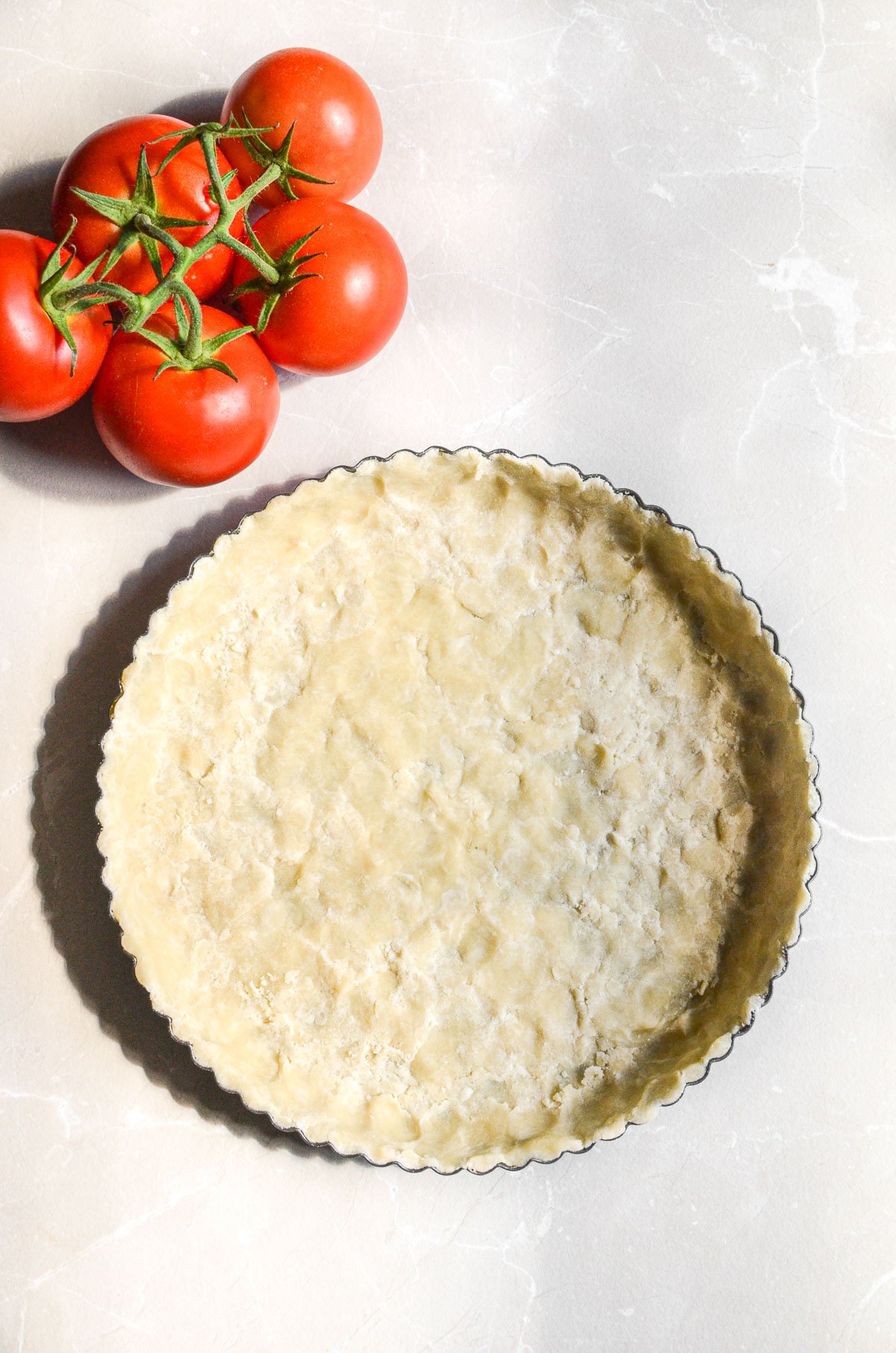
How it works
A press-in pie crust combines the best features of a classic flaky pie crust and a crumb crust. Simply mix up a pie dough and instead of rolling it out, you crumble the dough into your baking dish and press it into an even (ish) layer before baking.
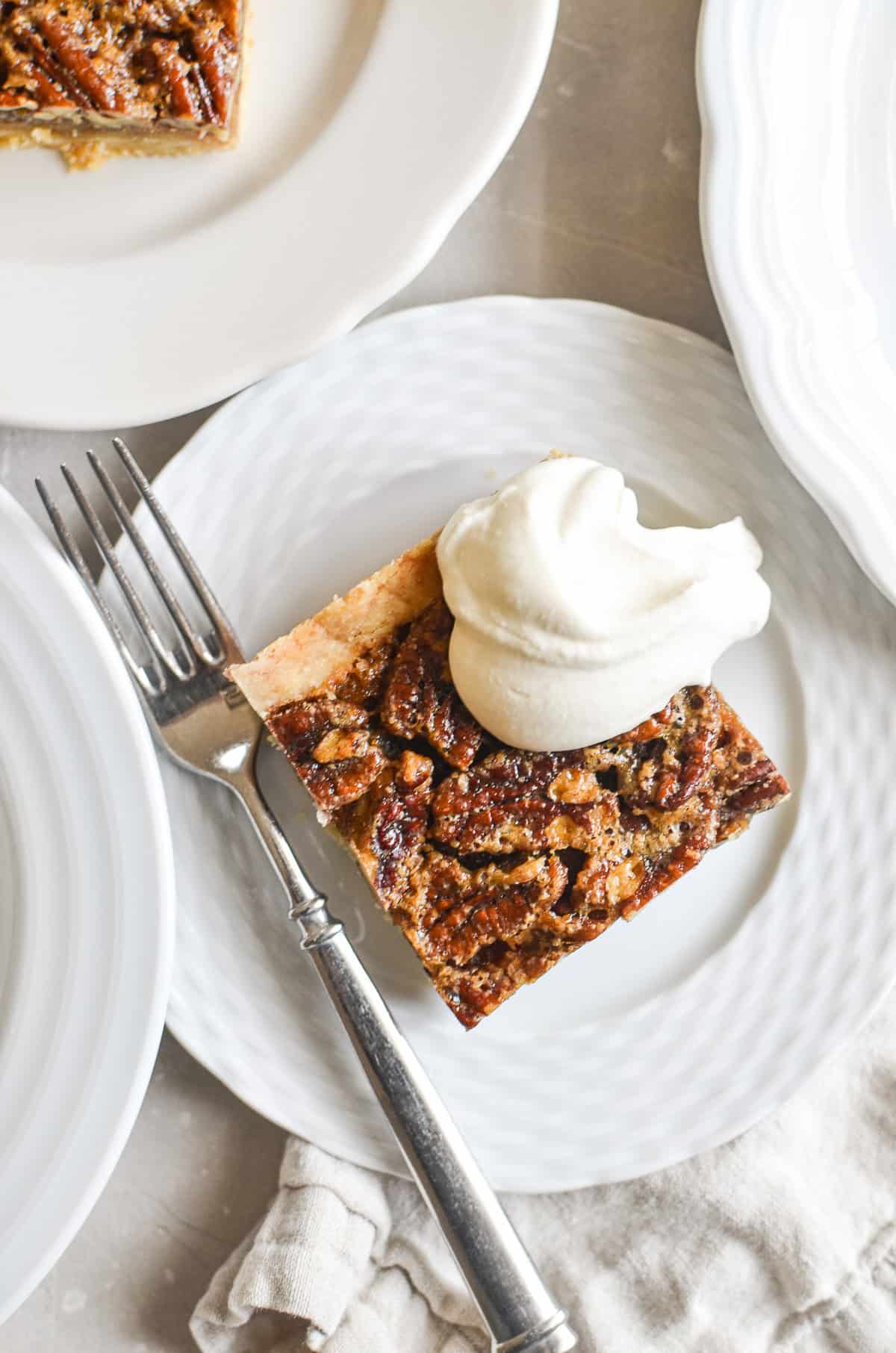
When to use a press-in crust
When you want a classic pie-crust vibe but don’t want to fuss with rolling out your pie dough. The result is slightly less polished looking than a rolled out pie crust, but just as delicious, with less cleaning up to do.
- You can also make a press-in crust using a shortbread cookie dough, this will give you a sweeter, more cookie-like crust.
Lattice Pie Crust
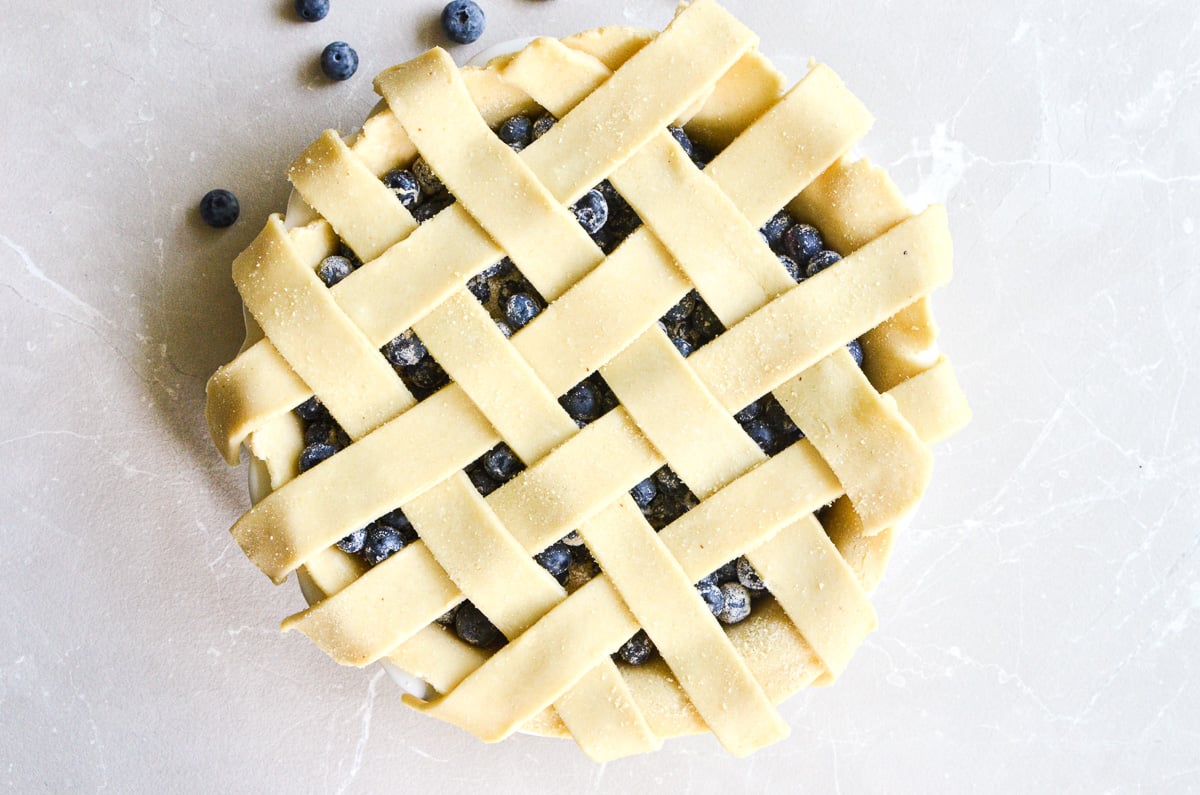
A lattice crust on a pie is always a show-stopper, but if you’ve never made one, I promise it’s easier than it looks! A little time is all it takes to make a stunning woven crust.
How it works
One pie crust is rolled out as usual, and then cut into strips. You weave it by arranging half the pastry strips in one direction, then folding back every other strip. Lay a new strip across them at a right angle, unfold the strips, then fold back the alternating set and repeat. (Check out our video instructions below.)

When to use a lattice crust
Lattice crusts aren’t only decorative ~ they allow steam to escape from juicy fruit pie fillings which keeps the crust crisp and encourages the filling to thicken. This classic crust also shows off the colorful fruit underneath. It’s perfect for summer fruit pies.
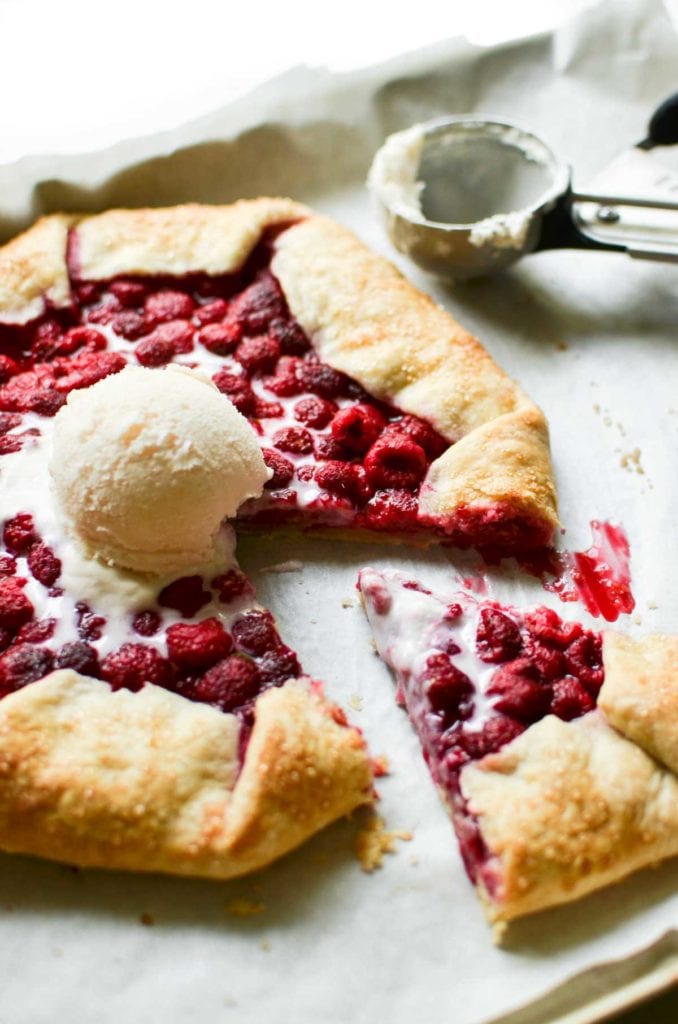
Rustic Galette Crust
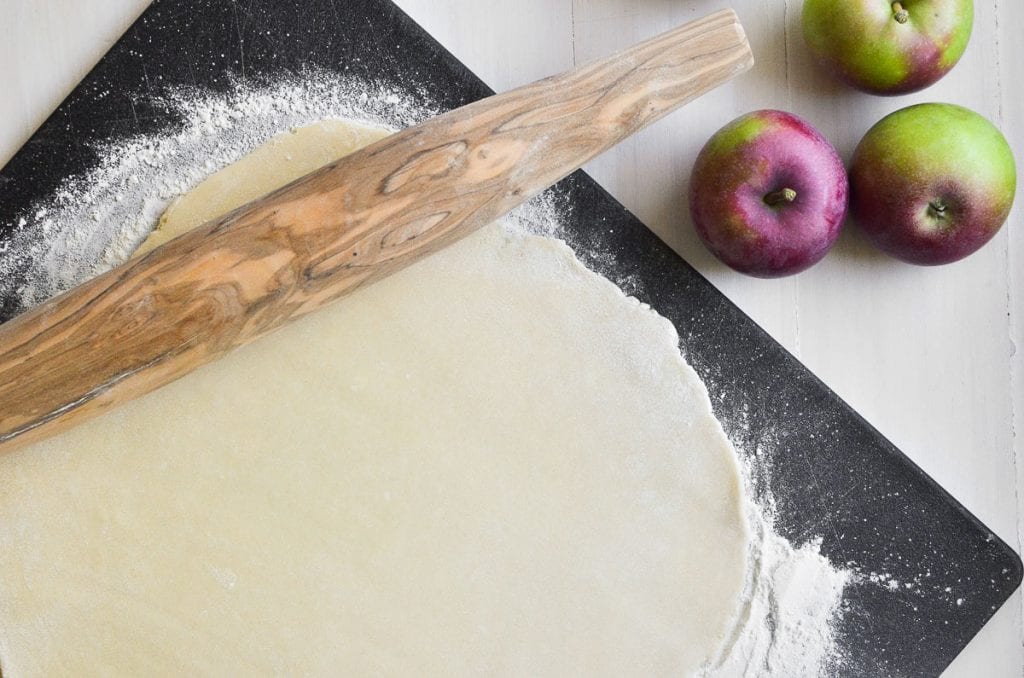
This type of crust is free-form and rustic. The dough is very similar to my essential basic pie crust recipe, with just a touch more water added in for a slightly softer dough that rolls out very easily and smoothly.
How it works
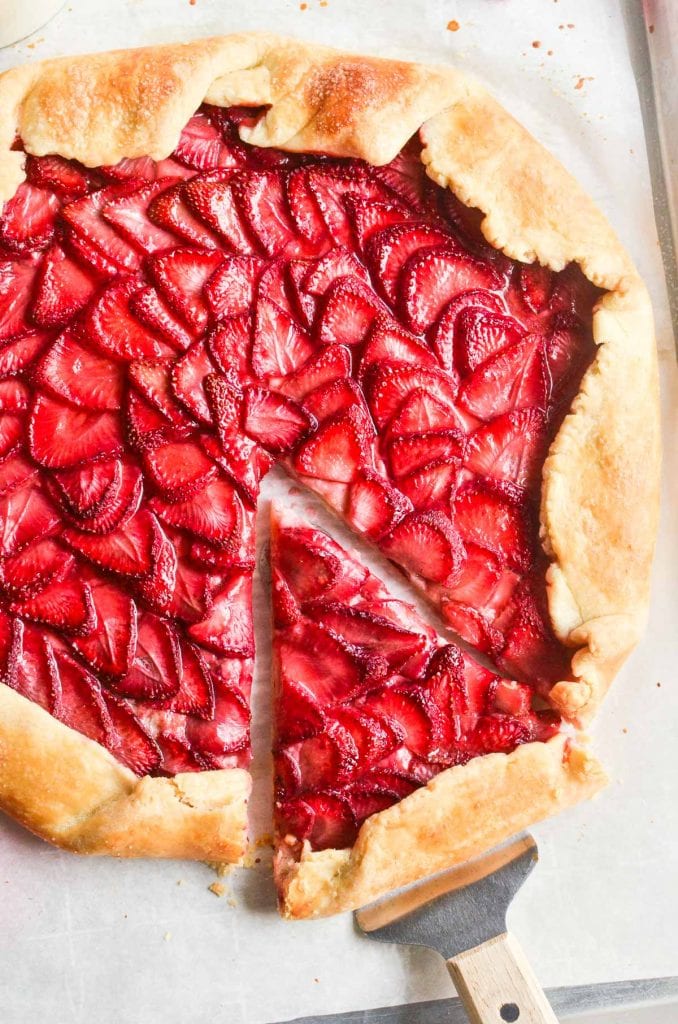
A galette dough is rolled into a large circle, and the edges are gently folded around your filling, rather than being fitted into a pie dish. It is an easy and casual approach to pie making with an elegant French vibe.

When to use a galette crust
Make a galette when you want a lower-key version of a pie, sweet or savory. Generally your result will be a little thinner and more tart-like, quicker to bake, and with a rustic, casual feel. This is a great place for newbie bakers to start.

Crumble Topped Pies
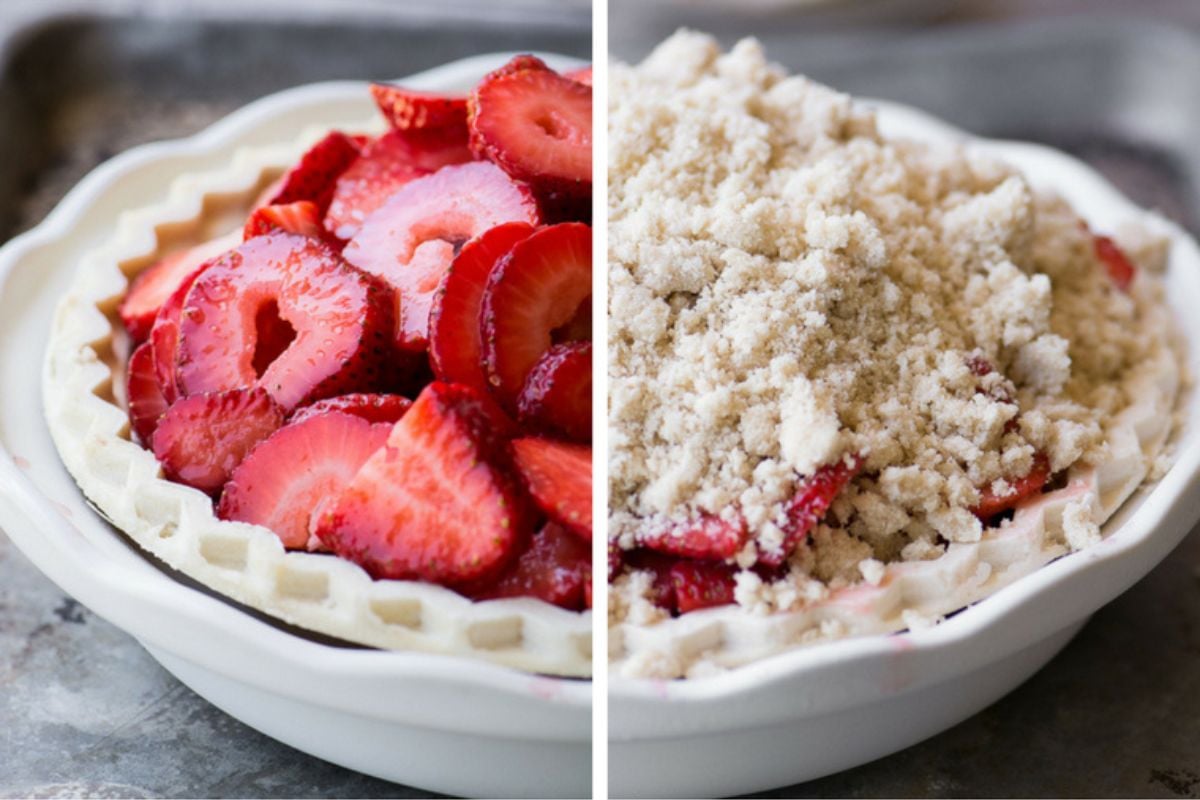
Crumble topped pies and tarts add another delicious layer with very little fuss or effort involved. A crumble topping is also an opportunity to add layers of flavor or extra ingredients like oats, chopped nuts, or spices.
How it works
A crumble top is made by mixing together flour, sugar, butter, and flavoring/spices with a pastry cutter or your fingertips. I like to use a food processor as well. The mixture is crumbled over the top of a pie filling before baking.


When to use a crumble topping
When you’re using a readymade pie crust a crumb topping comes in handy ~ no need for a top pastry crust. I love the textural interest that a crumble topping brings to pies and tarts, too. Don’t forget you can add rolled oats or nuts to any crumble recipe. (Check out our Big Batch Freezer Crumble Topping recipe.)
Frozen Pie Crust
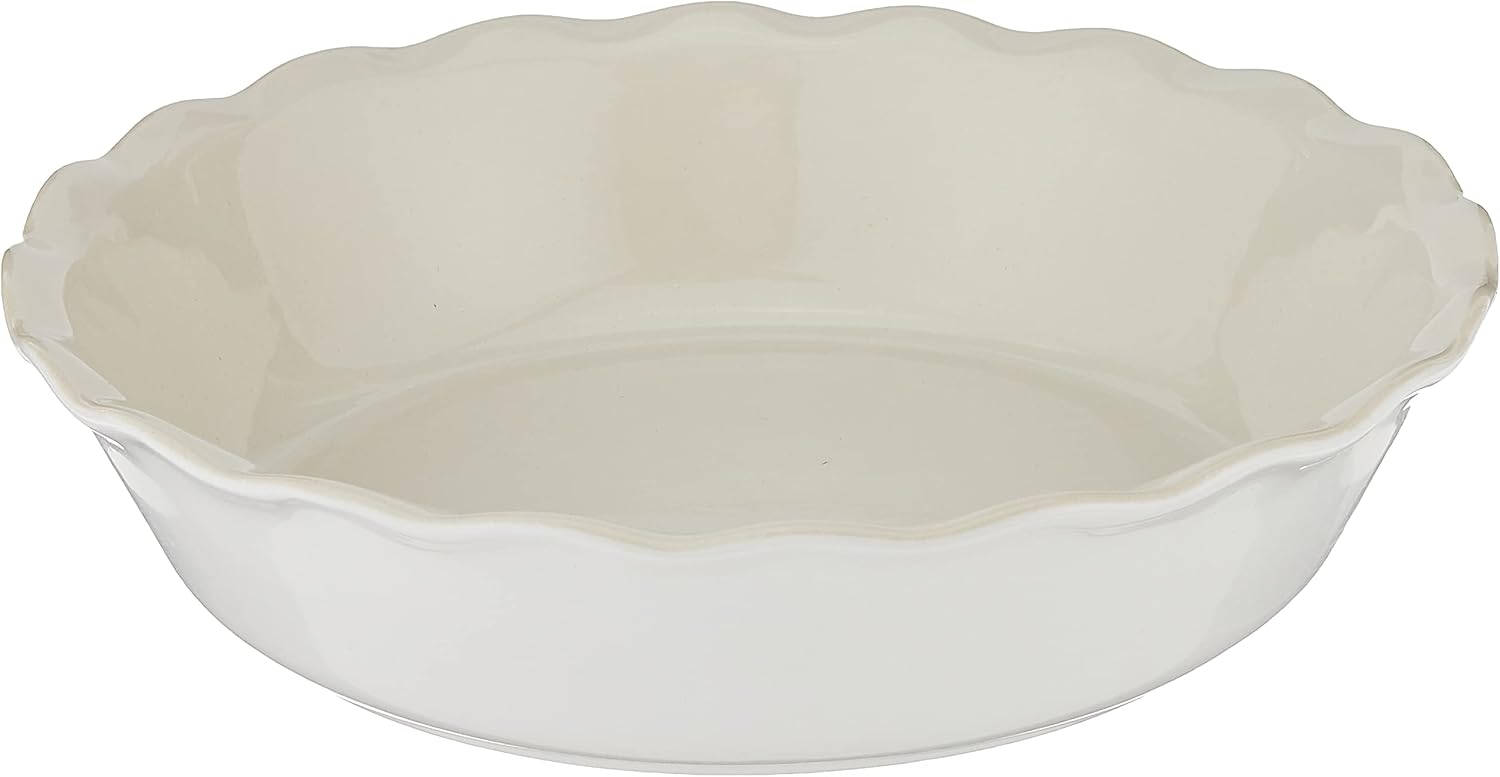
Though I’ll always vote for a homemade pie crust first, a frozen crust can be a useful alternative, no judgment here!
How it works
Frozen pie crusts are generally used in their frozen state. Just fill and bake according to your recipe. I like to gently remove them from their foil containers and place them in one of my own pie plates. Among commercial brands I like Marie Callender’s, but check your local stores because you can often find smaller local brands that really do look and taste just like a homemade crust.


When to use a frozen crust
When you’re short on time, or want to focus your efforts on the filling of your pie! Plus frozen pie crusts are waiting in your freezer for those last minute baking projects. I love it for quiches.










I cannot fathom putting that much effort into a pie crust. My mother used to make a rhubarb pie with a lattice crust (straight edges on the lattice strips), and I would not have the skills or desire to go beyond that. They are beautiful but, for me, are not worth the effort. I do my artistry elsewhere.
Such a lovely collection of designs Sue, such a great job. There are so many ideas and lots of artistry in some of them. I also clicked to certain of your links and certain were really interesting. I have to say, though, you are the best! Enjoy the evening!
I love pie crust designs, these are so beautiful!
I agree with the comments about how pretty the unbaked pies look….I appreciate the artistry and imagine cooking changes the crispness/definition of the design.
My take away from all the beauty is to get creative with cookie cutters and not waste a scrap of pie crust dough!
Speaking of beautiful pictures – your new blog picture is wonderful!
Wow. I’m speechless. These are amazing and I am in awe of the talent here!!
Amazing pie toppers! Its an inspiration to attempt such creativity. I’ll have alot of practice in the next 2 months. Thanks for sharing.
So many of these pies have clearly not been baked yet. I’m wondering what they look like once they’ve come out the oven. I suspect many of them won’t look quite so pretty. Readers, don’t despair if your pies never look that pretty – theirs don’t either.
All that said, the baked pies pictured here are gorgeous. Those people are your true pie artists!
I agree that they look so much prettier before but it has taught me to adjust where I put things. I do have a question. I am a novice at this. How do you get more even baking of the beautiful crusts. It’s there a cover or toll. I use diol but it seems uneven still. I get more excited every time I try!
These are truly amazing and now I realize what a slacker I am!
I know just what you mean Tara 😉
You truly chose some beauties here! Almost would make me not want to eat the pie. Well. Almost!
This was the perfect post for me to come across today as I am making a sweet potato pie! Such beautiful inspiration thanks for sharing!