These 21 gut healthy recipes have more going for them than you might think. From probiotics and prebiotic fiber to resistant starch and healthy fats, they bring some surprising benefits to foods you already want to eat.

Don't Lose This Recipe!
Your gut microbiome is the huge community of bacteria and other microbes that live in your digestive tract. They help break down food, produce compounds your body uses, and interact with your immune system and the lining of your gut.
What you eat helps shape that community, which is why gut health has become such an important part of the way we think about food. Different foods support the microbiome in different ways ~ through live cultures, prebiotic fiber, resistant starch, healthy fats, polyphenols, and plant variety.
These 21 gut healthy recipes put all of that into practice, although you might not necessarily know it from looking at them. From yogurt and miso to beans, nuts, chilled starches, and highly colored fruits and vegetables, foods that are good for your gut can show up in some pretty unexpected places.

Cultured & Fermented (Live Cultures)
Long before probiotic pills existed, cultured dairy was simply a delicious, nourishing part of everyday cooking. Whether it’s rich labneh, decadent chocolate yogurt, tangy buttermilk dressing, or a fizzy minted doogh, using real cultured dairy and kefir is one of the easiest, most flavorful ways to bring live, active cultures directly to your table.

How to Make Labneh (Yogurt Cheese)
The Gut Angle: Labneh is simply yogurt strained until thick and creamy, so it retains the live cultures found in the yogurt you start with. It’s an easy, savory way to work more cultured dairy into your diet. Use anywhere you’d normally reach for cream cheese, sour cream, or Greek yogurt, I love it on cheese boards.
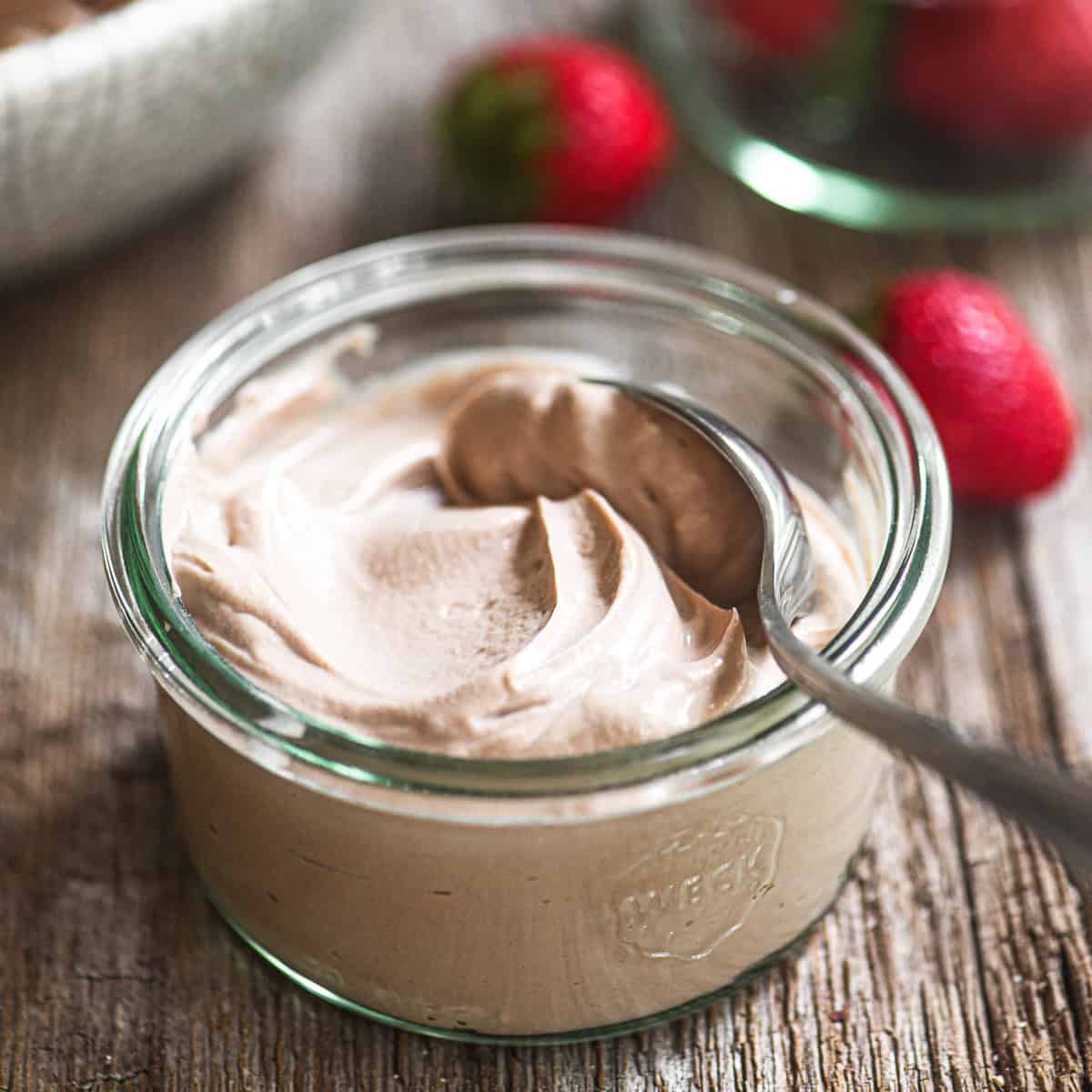
Chocolate Hazelnut Yogurt
The Gut Angle: Start with a yogurt that contains live active cultures, and even a spoonful of chocolate hazelnut spread turns into a dessert that still brings cultured dairy to the table.

Miso Soup Recipe
The Gut Angle: Miso is a traditional fermented soybean paste that can contain beneficial live cultures. Stirring it into the broth after you take it off the heat helps preserve those microbes, making miso soup an easy, delicious way to add fermented foods to your diet.

Homemade Kefir Recipe
The Gut Angle: Kefir is a fermented milk drink made with live cultures of bacteria and yeasts, giving it a broader mix of microbes than most yogurt. It’s one of the easiest ways to work more fermented foods into your day.
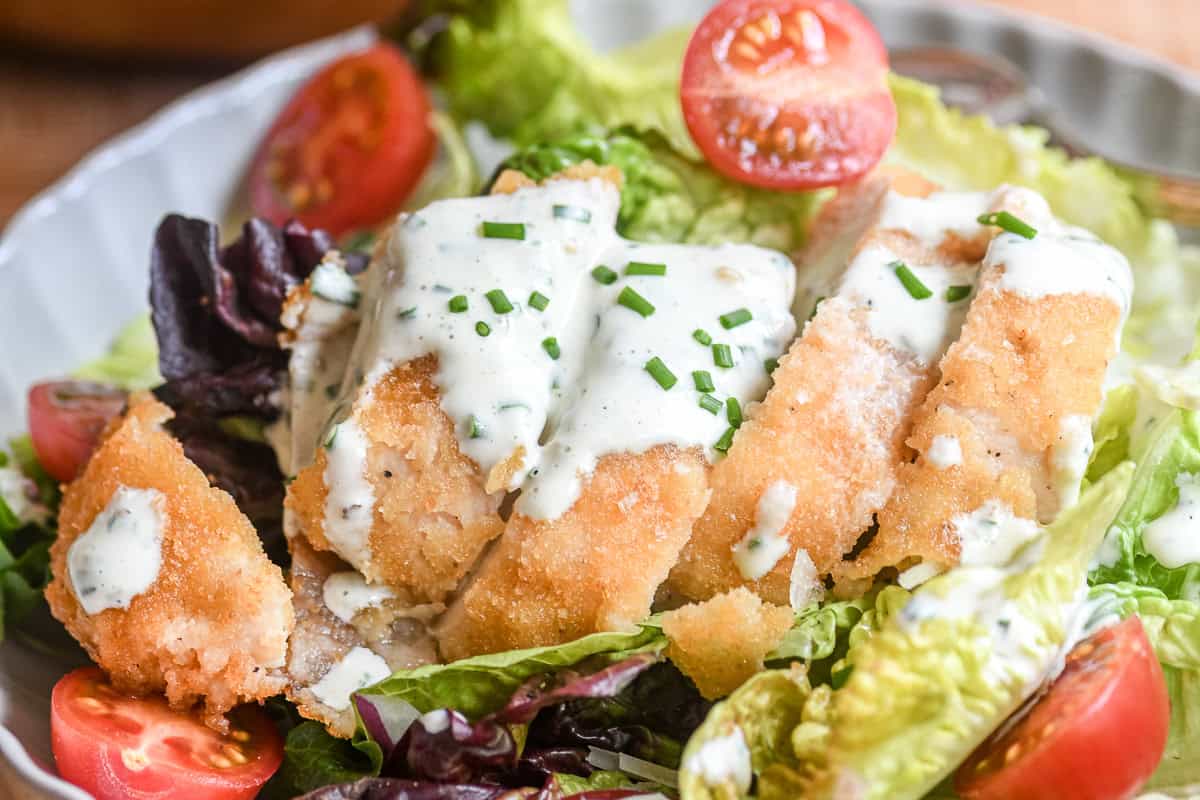
Crispy Chicken Salad with Buttermilk Dressing
The Gut Angle: Cultured buttermilk brings tang and richness to the dressing, and if it contains live active cultures, those come along for the ride. Paired with all those crisp greens, you’re getting fiber too.
Prebiotic Fiber (Feeding Good Bacteria)
While probiotics add helpful live bacteria, prebiotics are certain fibers that feed the good microbes already living in your gut. Inulin is one of them ~ a soluble, fermentable fiber that passes through the small intestine undigested and is fermented by bacteria in the colon.

Asparagus Bisque
The Gut Angle: Asparagus contains inulin, a type of prebiotic fiber that feeds beneficial gut bacteria. This creamy soup is an easy way to get more of it into a meal.

Lemon Artichoke Hummus
The Gut Angle: Artichokes and chickpeas both bring valuable prebiotic fiber to this hummus, giving beneficial gut bacteria something to feed on. It’s a particularly good example of how ordinary plant foods can support the microbiome.
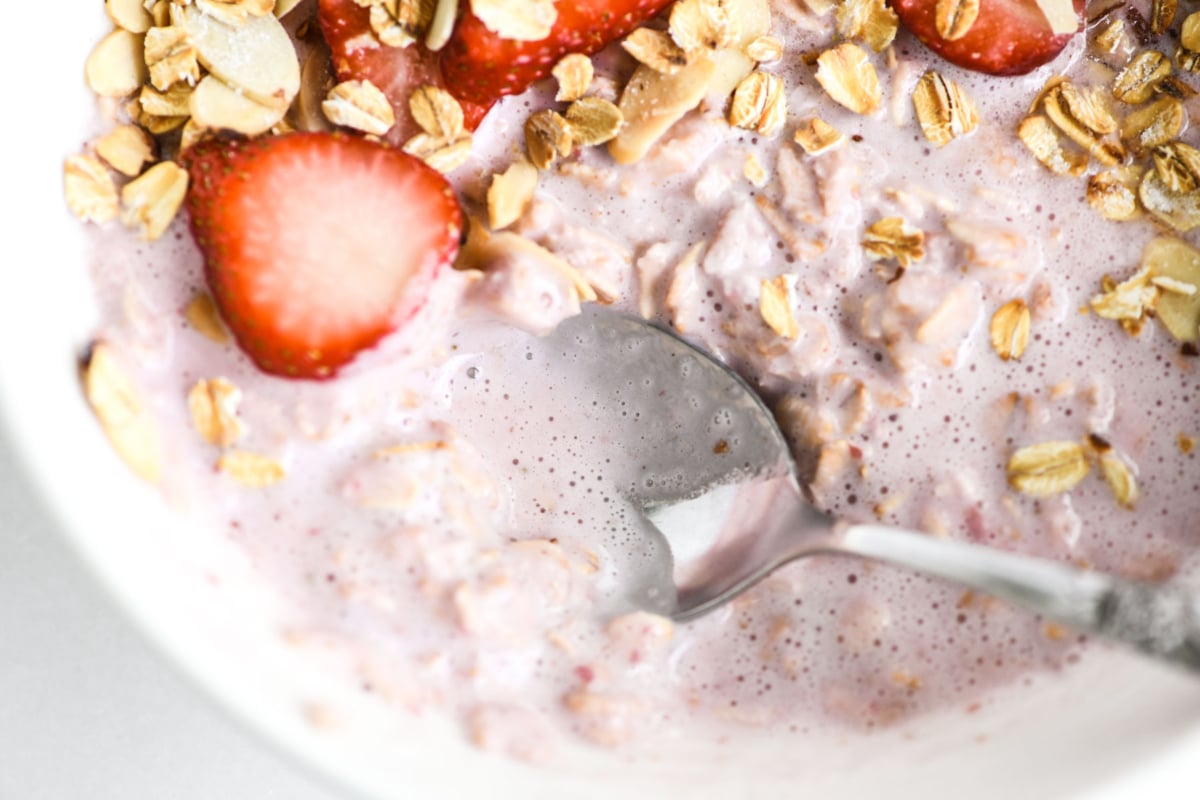
Strawberry Milk Muesli
The Gut Angle: Oats and oat bran are rich in beta-glucan, a soluble fiber that beneficial gut bacteria can ferment. Muesli gives you a generous dose of whole grains without feeling remotely like health food.
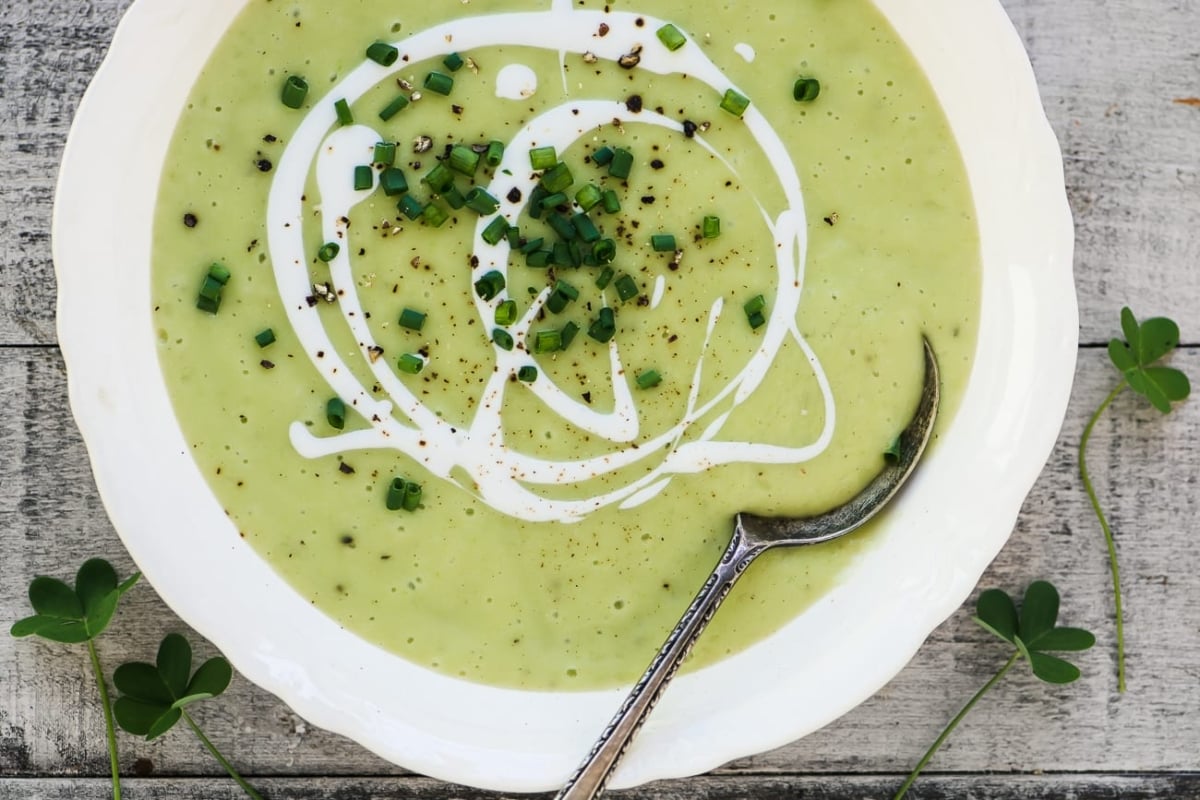
Traditional Irish Leek and Potato Soup
The Gut Angle: Leeks and onions are both especially good sources of inulin, making this simple vegetable soup a natural fit for the prebiotic category. Peas add another little boost of fiber too.
Healthy Fats & Polyphenols (Supporting the Microbiome)
Polyphenols are the natural, colorful compounds found in plant foods that act like a protective shield for your digestive system. When you eat foods rich in polyphenols and healthy fats—like tart berries, extra virgin olive oil, and nuts—your good gut microbes actually break them down into soothing compounds that help keep the lining of your gut calm, happy, and balanced.

Lemon Olive Oil Cake
The Gut Angle: Extra virgin olive oil brings monounsaturated fats and plant polyphenols to this cake. It’s a nice example of how an everyday baking choice can add a little more nutritional value without changing the reason you’re eating cake in the first place.

Salmon with Berry Salsa
The Gut Angle: Salmon brings omega-3 fats, while berries add polyphenols that interact with the gut microbiome. Together they make this a particularly gut-friendly dinner that also happens to be seriously nutrient-dense.
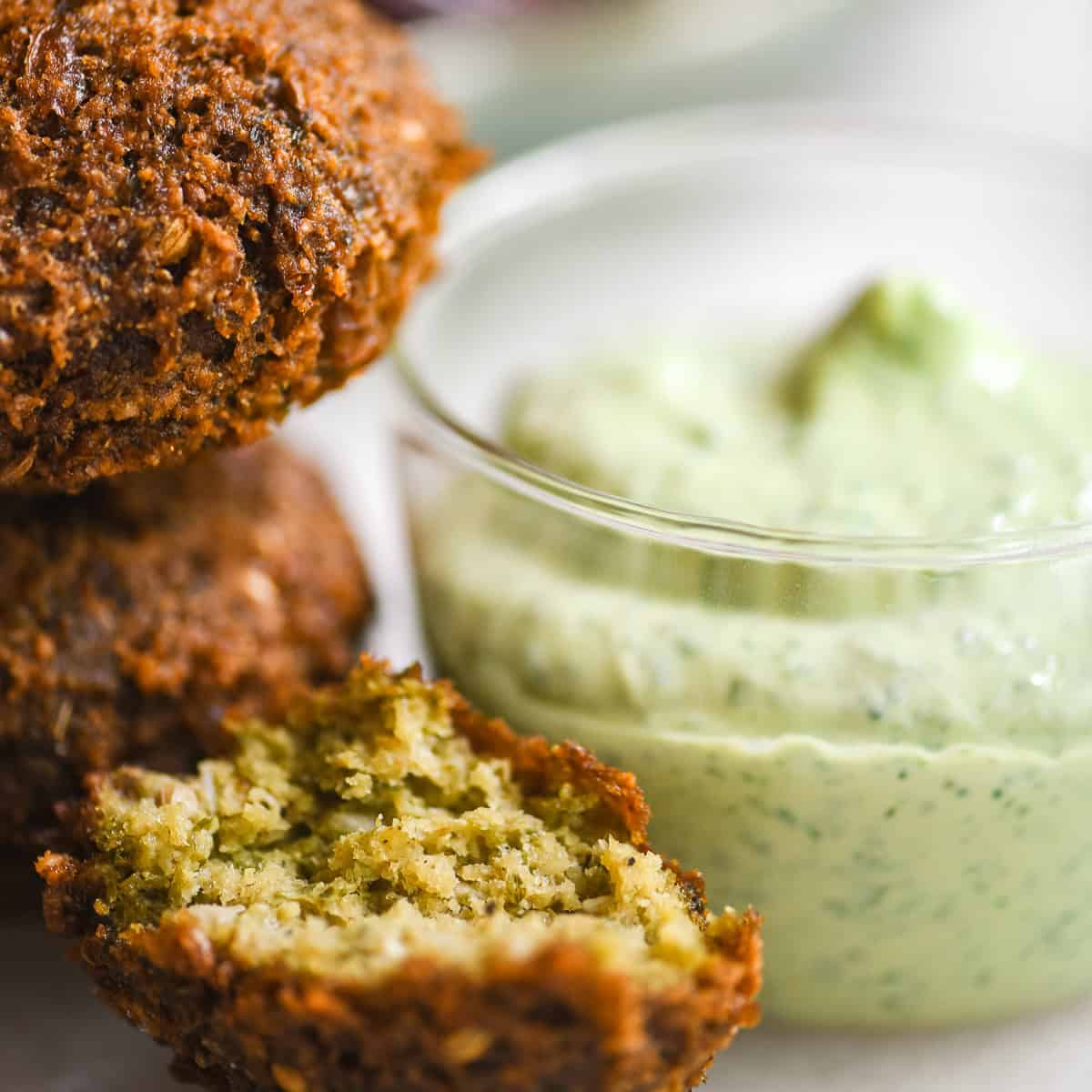
The Green Tahini Sauce I Want with Everything
Gut Angle: Tahini brings healthy unsaturated fats and sesame polyphenols, while the fresh herbs add another layer of plant compounds. It’s a simple sauce that packs a surprising amount of plant goodness into a few spoonfuls.

Dark Roasted Almonds
The Gut Angle: Almonds give you fiber, healthy fats, and polyphenols, especially when you leave the skins on. That combination gives beneficial gut bacteria plenty to work with.
Resistant Starch (Fuel for Gut Bacteria)
Resistant starch is a unique type of carbohydrate that “resists” digestion in your stomach and small intestine. Instead of breaking down into sugar, it travels on to the colon, where your gut bacteria ferment it into beneficial compounds like butyrate, a short-chain fatty acid that helps support the cells lining your colon.

Thai Spaghetti Salad
The Gut Angle: Cooking and chilling pasta increases its resistant starch, so this cold noodle salad has a little digestive bonus you’d never guess from looking at it.

Mom’s Creamy Potato Salad Recipe
The Gut Angle: The starch in potatoes becomes resistant once it’s cooked and chilled too, so yes, even a classic creamy potato salad can have a little something going for your microbiome.
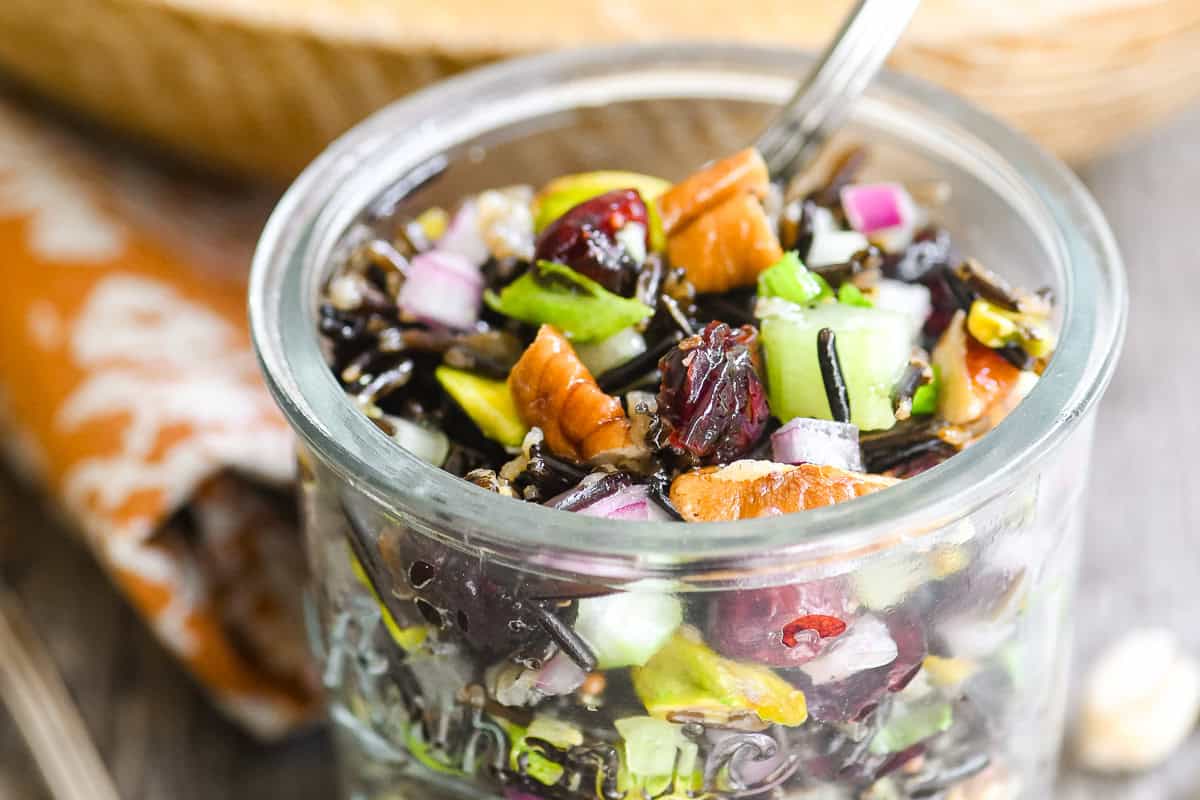
Wild Rice Salad with Cranberries
The Gut Angle: Cooled wild rice brings resistant starch, while cranberries, nuts, onion, and celery pile on fiber, polyphenols, and plant variety.

Mediterranean Bean Salad
The Gut Angle: Beans and chickpeas naturally contain resistant starch along with plenty of fiber, giving gut bacteria a slow, steady source of fuel. This colorful bean salad packs both into an easy everyday meal.
Plant Diversity & Pigments (Microbiome Variety)
The more variety you get from fruits, vegetables, nuts, seeds, and whole grains, the more variety you’re giving your gut microbes to work with. Different plant foods contain different types of fiber and polyphenols, and different microbes use them in different ways. That variety helps support a more diverse microbiome ~ lots of good reasons to eat the rainbow.

Cranberry Vinaigrette
The Gut Angle: Cranberries get their brilliant ruby color from polyphenols that make their way to the gut, where microbes help break them down. Turning them into a vinaigrette is an easy way to bring one more deeply colored plant food into your diet.

Chicken Thighs with White Beans and Greens
The Gut Angle: White beans bring plenty of fiber, while leafy greens add their own mix of fibers and plant compounds. Together they turn this cozy chicken dinner into a surprisingly gut healthy recipe your microbiome.

Blackberry Pecan Bars
The Gut Angle: Deeply colored blackberries are rich in anthocyanins, paired here with the fiber and plant compounds in toasted pecans. It’s a delicious combination that gives your gut microbes plenty to work with.

Easy Roasted Rainbow Vegetables
The Gut Angle: This sheet pan really does cover the rainbow, with a mix of colorful vegetables bringing different fibers, polyphenols, and other plant compounds to the table. That kind of variety is exactly what you want when you’re feeding a diverse microbiome.

Copycat Raincoast Crisps® Crackers
The Gut Angle: Loaded with seeds, nuts, whole grains, and dried fruit, these artisanal crackers pack a massive variety of plant fibers and polyphenols into every bite—making it effortlessly delicious to feed a diverse microbiome.