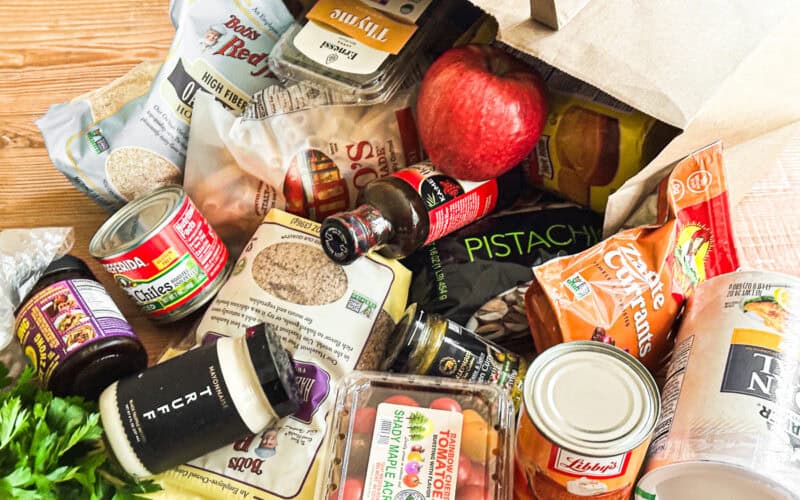
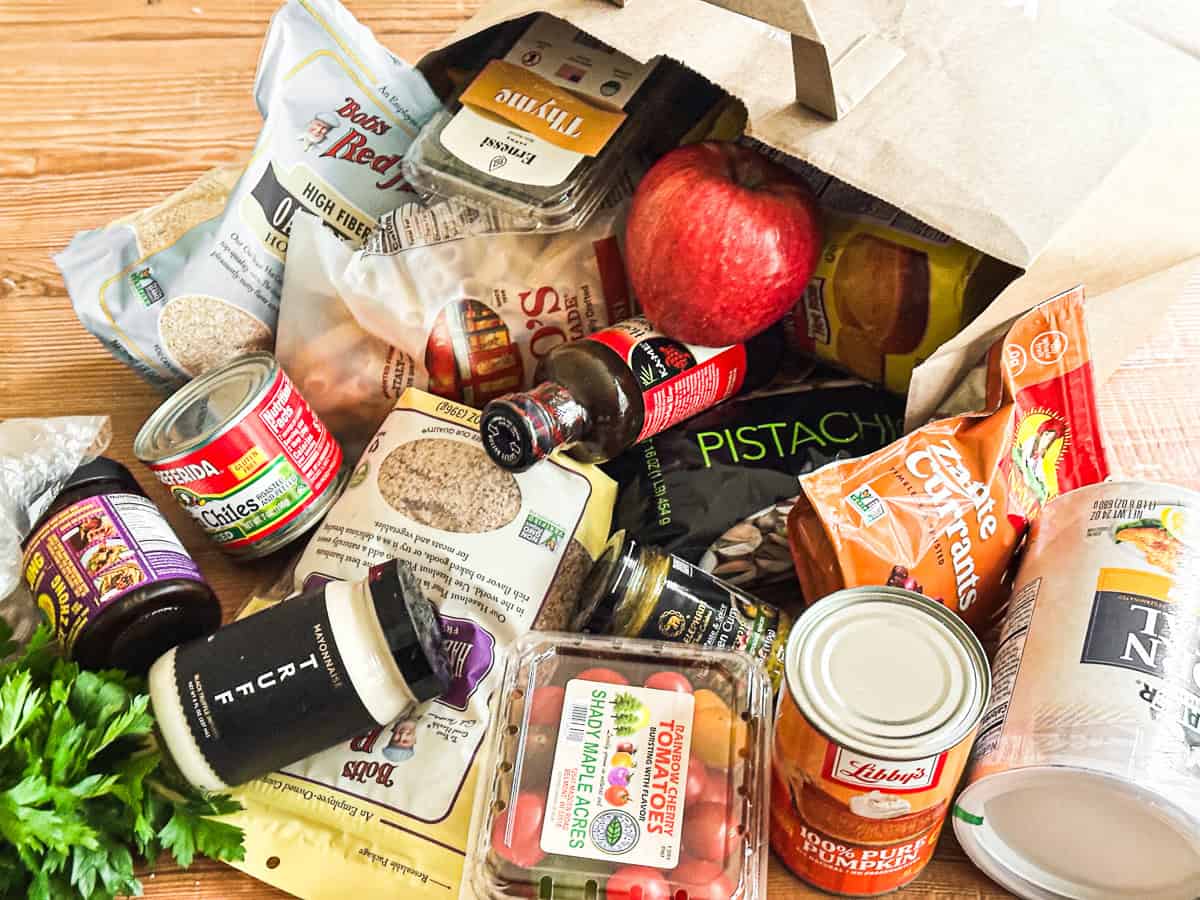
Turns out I’ve been eating more ultra-processed food than I realized. These 10 easy homemade recipes are simple swaps for some of the sneakiest everyday UPFs.
Don't Lose This Recipe!
Ultra-processed foods are suddenly everywhere in the news, and, to be honest, I haven’t given them a whole lot of thought until recently. I generally feel like my diet is fairly healthy and I don’t buy a lot of crazy processed food.
But when I started digging into the subject, I realized ultra-processed foods cover a lot more territory than I knew. Turns out lots of my everyday foods fall into this category ~ including some I never would have suspected.
Ultra-processed foods are built from processed ingredients
Almost everything we eat has been processed in some way. Chopping, freezing, canning, fermenting, grinding grain into flour, turning milk into cheese ~ that’s all processing.
Ultra-processing goes further: ingredients are often highly refined or chemically altered first, then combined and processed again into a new food. In other words, you’re getting further away from the whole foods you started with.
Diets high in UPFs are linked with poorer health
The more ultra-processed food we eat, the worse the health picture starts to look. The research keeps linking high UPF diets with things like weight gain, type 2 diabetes, heart disease, and other chronic health problems.
The ingredient list is the easiest way to spot them
A long ingredient list isn’t automatically a problem, but there are some good clues. Look for ingredients you wouldn’t normally use at home: modified starches, protein isolates, hydrogenated oils, emulsifiers, gums, artificial or “natural” flavors, colors, and intense sweeteners.
But the good news is that lots of UPFs are surprisingly easy to make at home ~ and much better when you do.
Chocolate Hazelnut Spread

What makes it ultra-processed
Nutella is a classic ultra-processed food: sugar is the first ingredient, followed by palm oil, hazelnuts, milk powder and cocoa, plus soy lecithin and artificial vanillin. It’s those last additives ~ the emulsifier and artificial flavor ~ that are especially characteristic of ultra-processed foods.
Why make it at home
The difference is pretty striking: hazelnuts are the main ingredient in my homemade version, while sugar is the main ingredient in Nutella. Mine tastes more intensely of toasted hazelnuts and chocolate, it’s less sweet, and you can make it with just a handful of familiar ingredients. The flavor and texture is just perfect, which makes me question the additives in the commercial product.
Salad dressing
What makes it ultra-processed
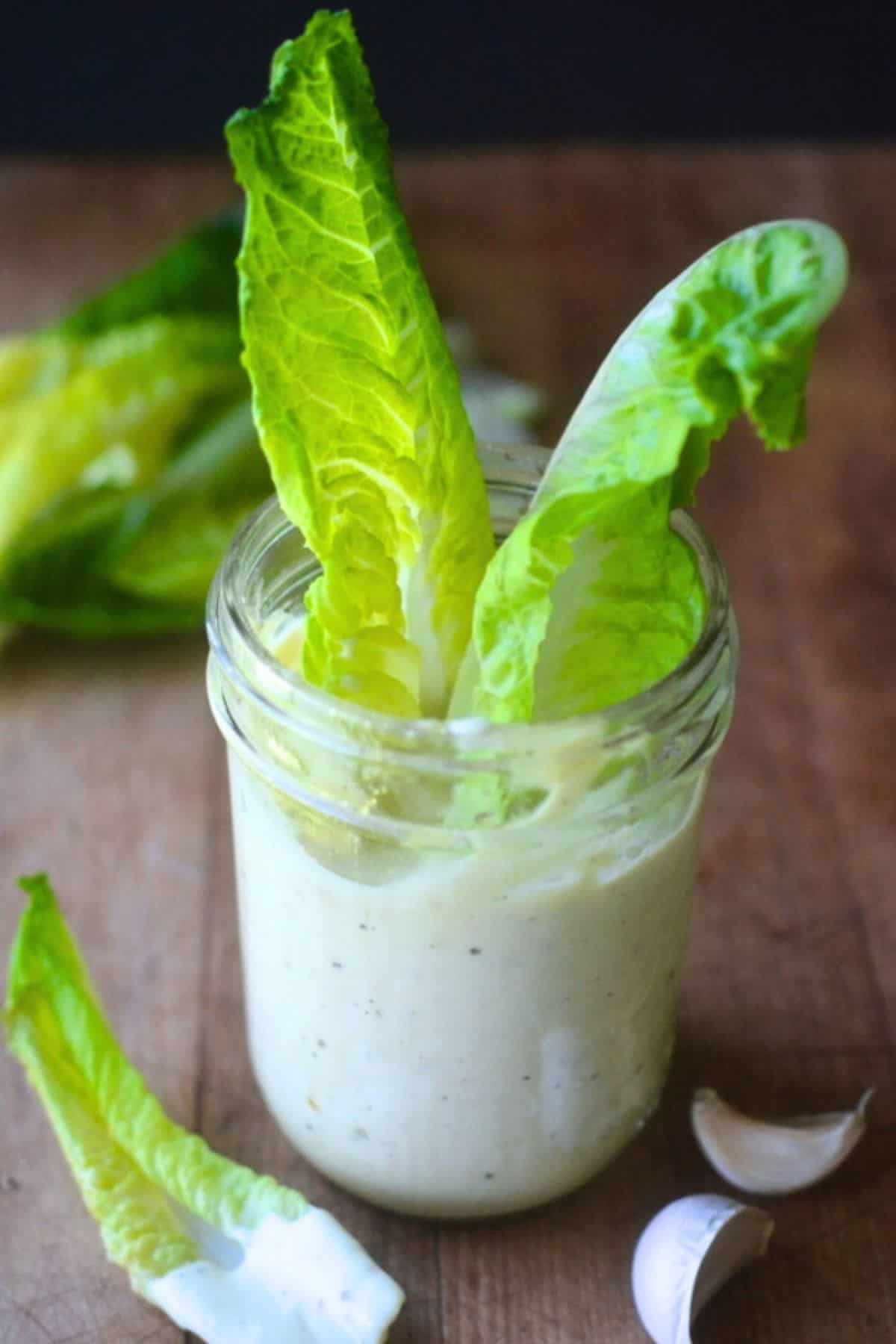
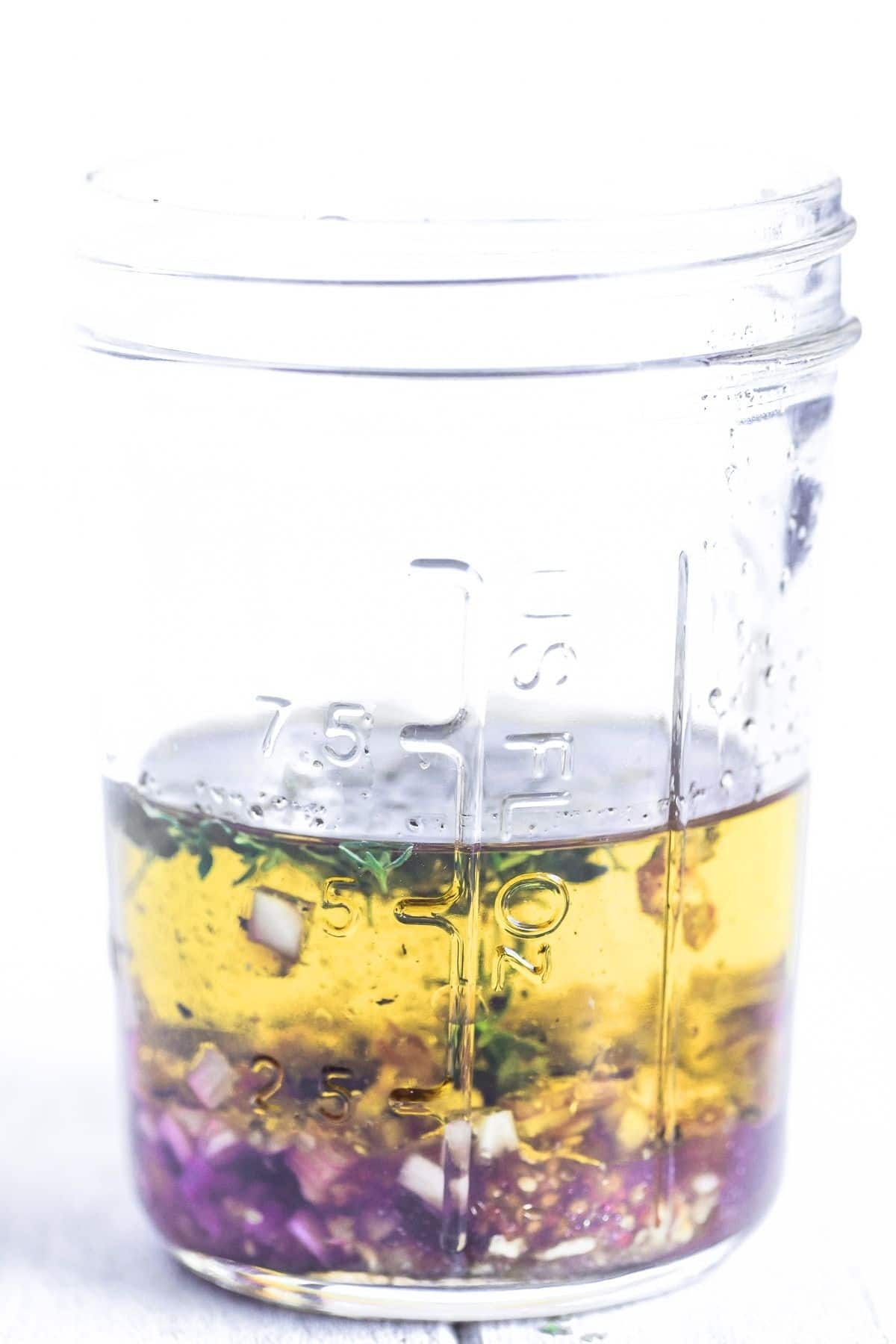
A vinaigrette naturally wants to separate, so bottled versions often rely on emulsifiers, gums, and stabilizers to keep everything smooth and shelf-stable. Creamy dressings can get even more complicated, with added thickeners, sugars, flavorings, and preservatives layered in to keep that texture consistent.
Why make it at home
They’re a cinch to make, and the difference in flavor and texture is huge. I use good-quality heart healthy olive oil, something you rarely find in bottled dressings, and that alone makes homemade dressing a win win!
Also try:
Pudding
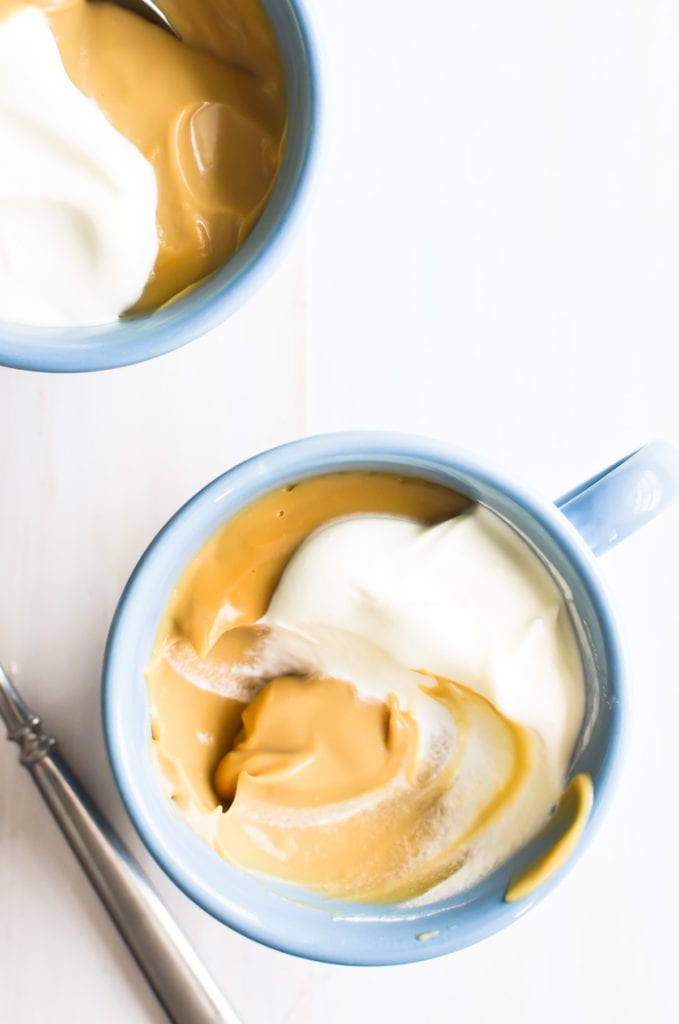
What makes it ultra-processed
It’s kind of shocking how much they can cram into the fine print on one tiny box of pudding mix. Modified starches, emulsifiers, colors, flavorings, phosphates ~ that little box is basically a master class in ultra-processing.
Why make it at home
Honestly it doesn’t take any more trouble to make homemade pudding than it does to make it from the box. The payoff is in better flavor, more nourishing ingredients, and lots of creative recipe possibilities like:
Cereal

What makes it ultra-processed
Breakfast cereal may be the poster child for ultra-processed food. Many are made by grinding grains into flour, reformulating them with sugar, starches, flavors, colors, and other additives, then extruding the mixture into those familiar loops, flakes, and puffs.
Even cereals with a healthy image can go through a surprisingly industrial process ~ Special K, or instance, is pressure-cooked, dried, flaked, toasted, fortified, and flavored before it ever reaches the box.
Why make it at home
Because breakfast can be much simpler than all that. Homemade granola or muesli starts with whole oats, nuts, seeds, fruit, and whatever else you actually want in the bowl ~ no extrusion line required.
Also try:
Couscous

What makes it ultra-processed
The couscous isn’t the problem ~ it’s the little flavor packet. And this is one of the sly tricks of ultra-processed foods: they make it so darned easy! The package is all measured out, the packet does all the work, you don’t even have to think. But that tiny packet packs a whole lot of ultra-processing into a tablespoon or two of powder.
Why make it at home
The couscous in the little box is the same as bulk couscous: 1 cup couscous + 1 cup boiling water or broth. Cover and let sit about 5–10 minutes, then fluff with a fork. Flavor with different broths and stocks, herbs and spices, different veggies, etc. No packet necessary.
Also try:
Mac and Cheese

What makes it ultra-processed
Omg, where to start? That little packet of day-glo orange cheese powder is basically ultra-processing in miniature. And don’t assume the more wholesome-looking boxes get a pass ~ even brands like Annie’s can still fall into the ultra-processed category.
Why make it at home
My simple formula-based recipe lets you make mac and cheese by heart, anytime, anywhere. It’s nourishing, delicious, and made from real ingredients ~ just what mac and cheese was always meant to be.
Also try:
Nut Butters
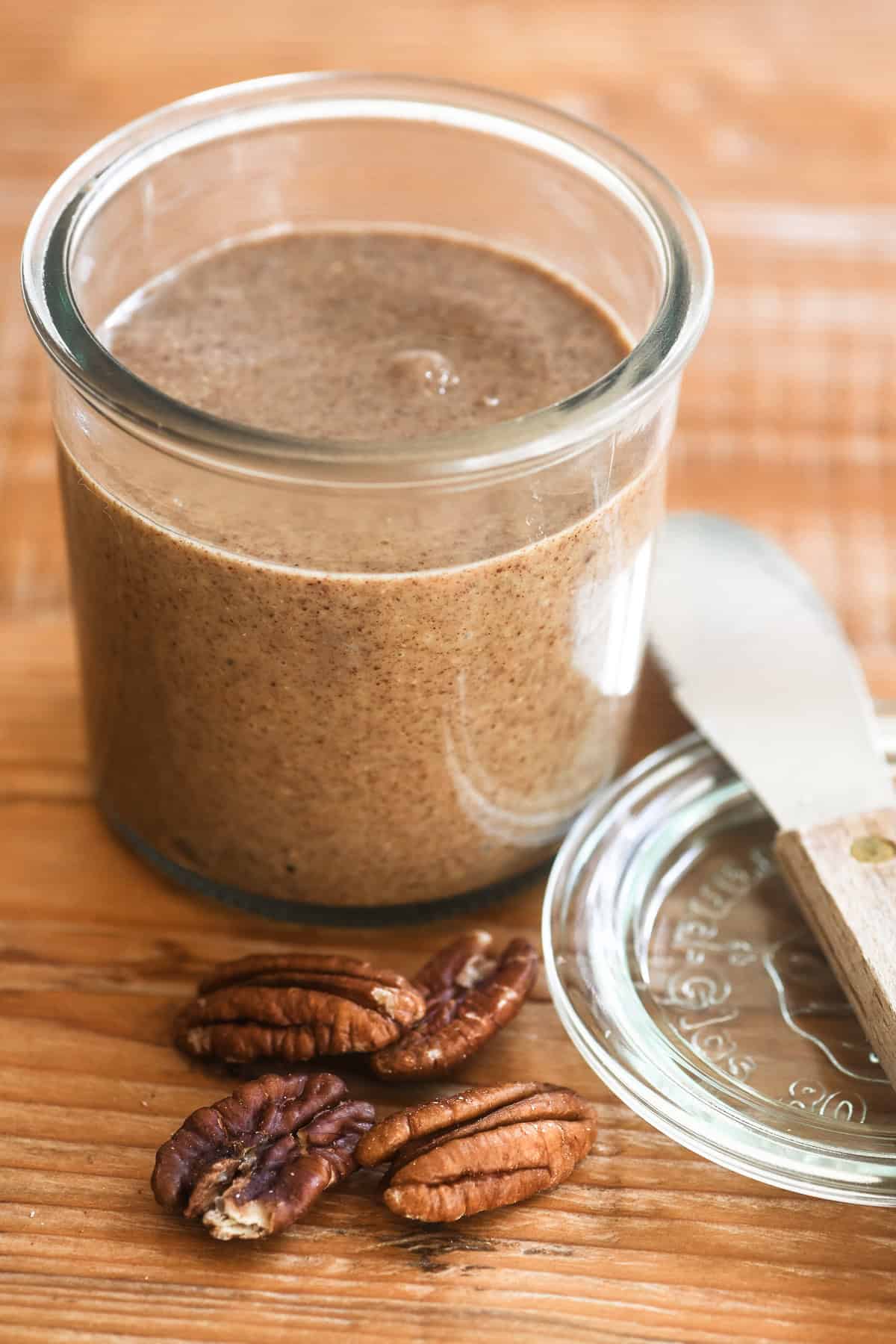
What makes it ultra-processed
Nut butter should be one of the simplest foods on the shelf: roasted nuts ground until creamy. But many if not most commercial versions add hydrogenated oils, emulsifiers, sweeteners, flavorings, and stabilizers to keep the texture uniform and prevent the natural oil from separating. Those are the ingredients that can push a simple nut butter into ultra-processed territory.
Why make it at home
It’s a no brainer. All you need is a blender or food processor and you can get a fresher, toastier nut flavor without all the extras. Once you know you can turn a pile of roasted nuts into silky peanut, almond, or cashew butter in minutes, it starts to feel like one of those things that’s easier to make than to shop for. BTW my roasted pecan butter, above, doesn’t separate, and the flavor is to-die-for!
Also try:
Soda

What makes it ultra-processed
Soda isn’t ultra-processed because it contains sugar. It’s ultra-processed because the drink itself is a manufactured formula: carbonated water combined with refined sweetener, acids, colors, flavorings, and sometimes preservatives, caffeine, or artificial sweeteners. There’s no real food here at all.
Why make it at home
Homemade soda gives you the fizz and fun without the industrial formula. Start with sparkling water, add real fruit, herbs, spices, or a simple syrup, and you control exactly what goes in and how sweet it gets. Flavors like rhubarb or old-fashioned cream soda are also far more interesting than the standard canned lineup.
Also try:
Ice Cream

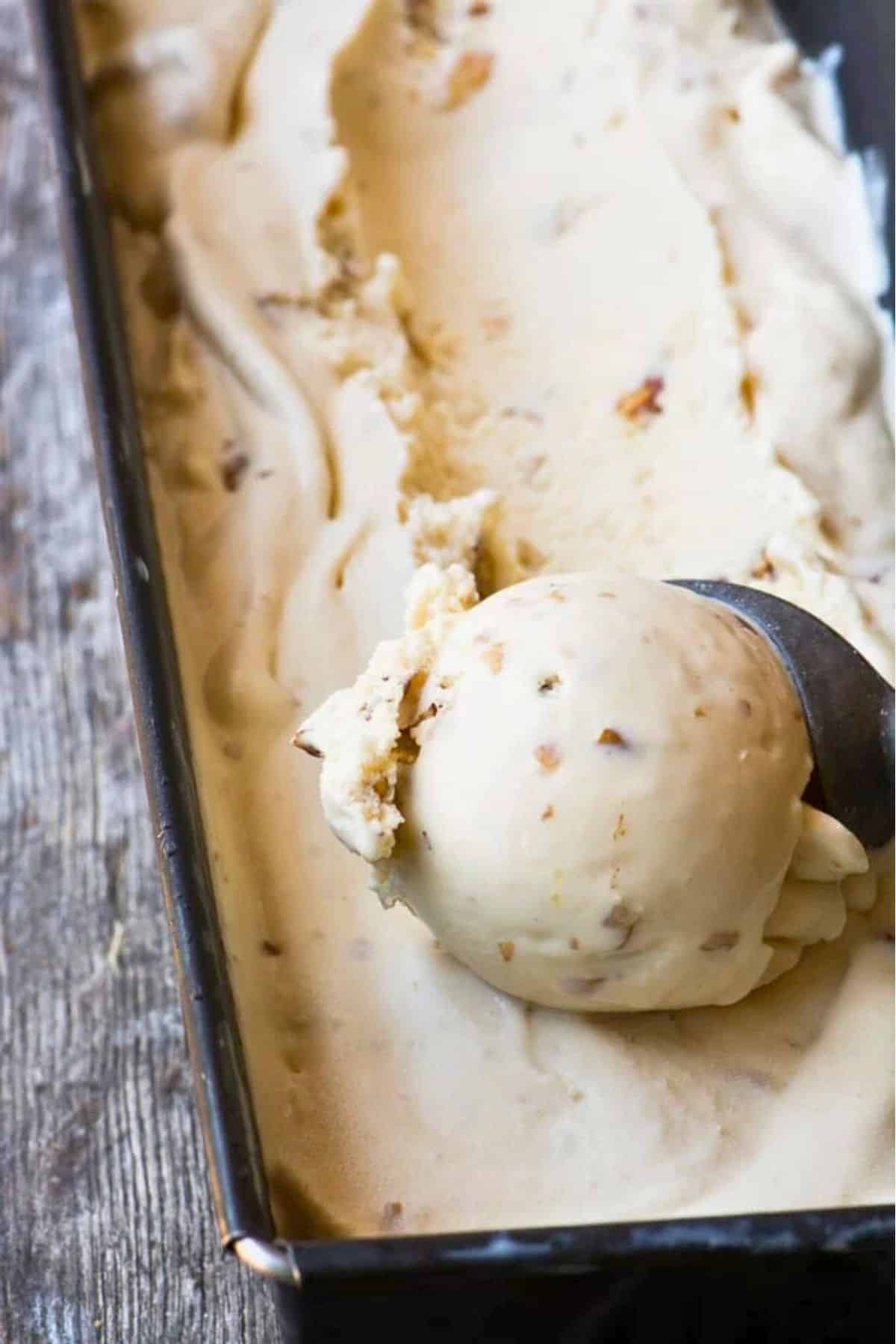
What makes it ultra-processed
Ice cream is basically cream, milk, sugar, eggs, and flavoring, but commercial production is where it can get complicated. Gums, emulsifiers, stabilizers, modified starches, artificial flavorings, and colors help ice cream stay creamy, resist ice crystals, melt more slowly, and remain consistent through months of storage and temperature changes. There are exceptions, though, so this is one category where reading the carton really pays off.
Why make it at home
If you regularly buy ice cream, it makes so much sense to make it at home. With a one-time purchase of an inexpensive ice cream machine, you can make incredible flavors and creative combinations with simple ingredients you choose yourself. Once you get into it, store-bought ice cream starts to seem surprisingly limited.
Also try:
Bread
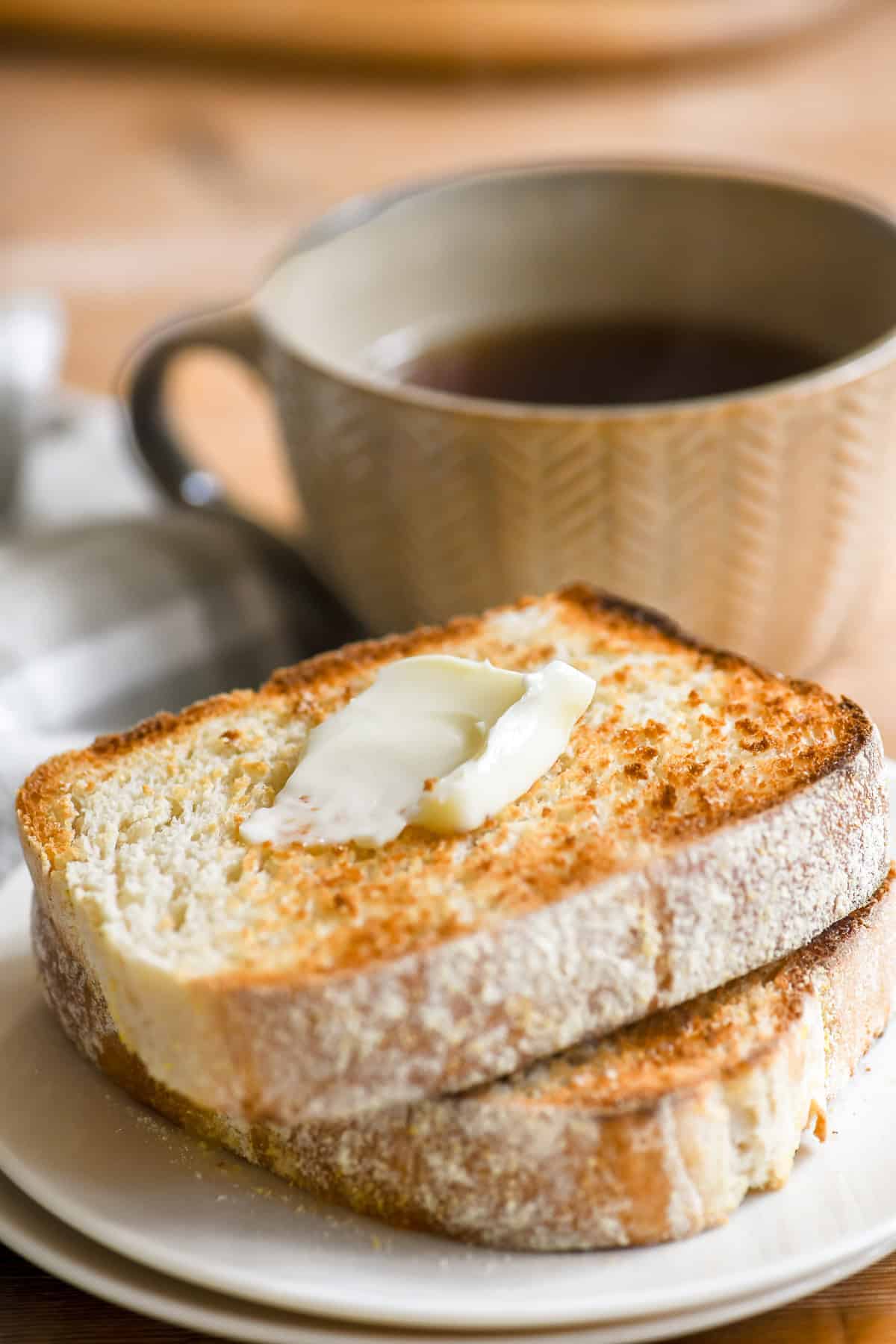
What makes it ultra-processed
Bread is about as basic as food gets, but many packaged loaves are engineered to stay soft and fresh for weeks with emulsifiers, modified starches, dough conditioners, and other additives. And don’t even get me started on those cans of instant biscuits and rolls (which I cop to using on busy Sunday dinners when I’m feeding a crowd.)
Why make it at home
It matters because bread is everyday food. A simple homemade loaf cuts out a lot of ultra-processed extras in one go ~ and good bread is such a pleasure to bake and to have around. There’s no reason even a busy household can’t make a few loaves of bread each week.
Also try:
Want to dig deeper?
What are ultra-processed foods? — NOVA explainer
What the research says about ultra-processed foods and health — BMJ 2024 review
NIH study: ultra-processed foods, overeating, and weight gain




Thank you for all of this information, I do make most of this at home already but you reinforced why I do it. I like to know what is going in my families food. This was a great article. Have a great day from Australia. xx
Hi Deb, you make a good point. A lot of us make lots of our food from scratch, instinctively. But it does put a finer point on it when you really delve into the alternative!
I’ve been making your 30-Second Caesar Dressing for years! So easy and delicious. I need to try your mayonnaise. Big fan of all your recipes.
Thanks Kari, I appreciate it. They mayo is a fun one too.
Thank you for all these unprocessed recipes. Your recipes are the ones I always use. Thank you so much for all your work and creativity.
I appreciate all this info on UPFs. Thanks for the home-made versions that look so yummy. I’m eager to try them. You do a great job!
Thank you!
I enjoyed this article. I do make many of these UPS’S at home but one can always improve. Yogurt is another great make-yourself item. A d it avoids the terrible environmental burden of plastic containers.
I made your coffee fudge snacking cake last night. It IS yummy.
Thanks for your efforts!
Thanks Elizabeth, I’ve been enjoying breaking out of the one-recipe-at-a-time format here, and I’m glad it’s landing well with readers. Your point about container waste is a great one. The other day I was unpacking little tetra-pak cartons of chocolate milk for my granddaughter ~ that’s a double whammy right there!